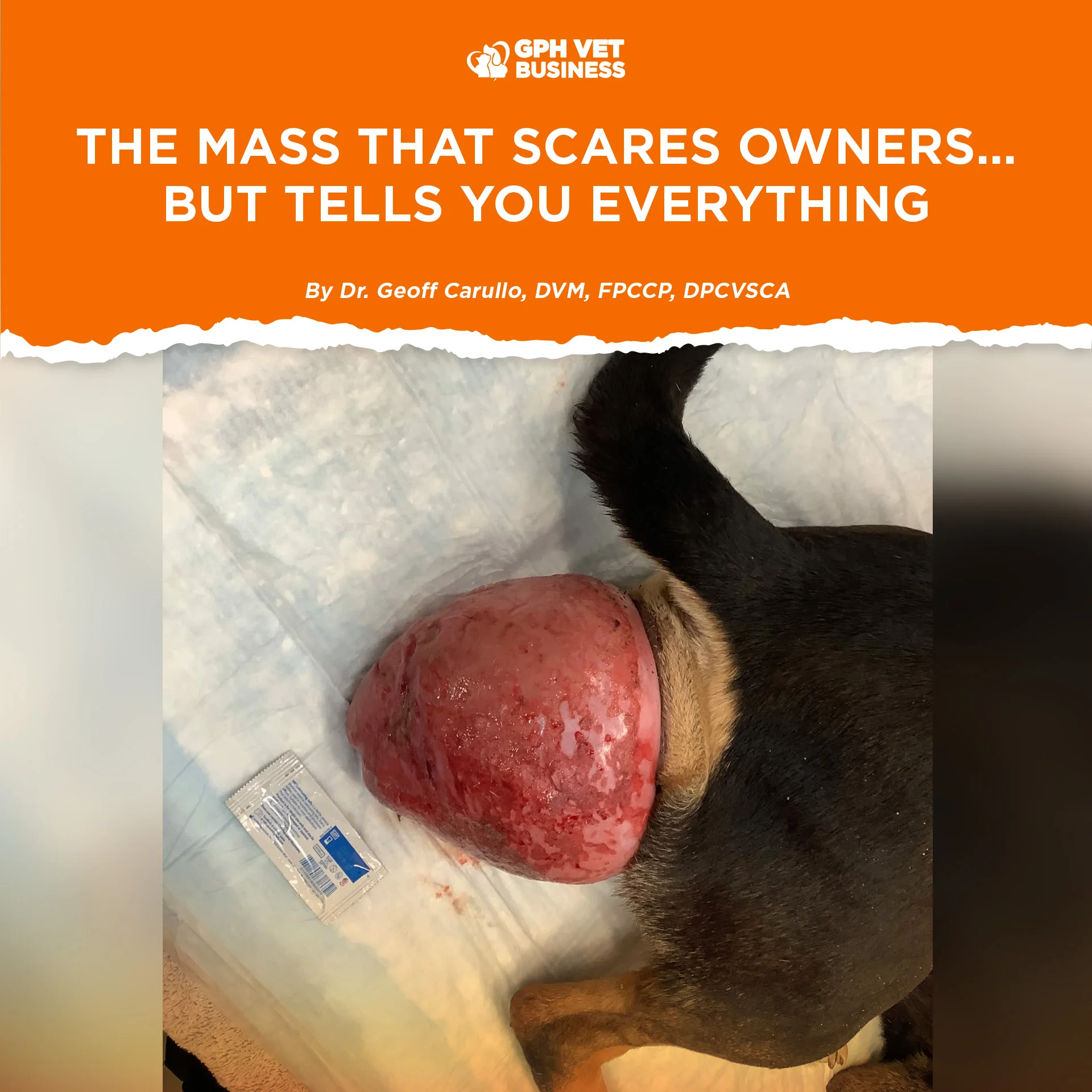
It walks in looking like a disaster.
A red, swollen mass.
Protruding. Moist. Angry.
The owner is panicking.
“Doc, may lumabas sa pwerta ng aso ko.”
And for a moment, the room feels heavy.
But if you’ve seen enough cases…
you already know.
This isn’t chaos.
This is vaginal prolapse.
WHAT IT REALLY IS
Vaginal prolapse in dogs is the protrusion of vaginal tissue through the vulva, most commonly triggered by estrogen during heat.
Not trauma.
Not a random event.
A hormone-driven process.
During proestrus to estrus, estrogen causes the vaginal mucosa to:
- Swell
- Thicken
- Become edematous
Push that pressure far enough…
and the tissue comes out.
Not failure. A physiologic exaggeration.
WHY IT HAPPENS
The real driver is estrogen.
And that changes everything.
Common scenarios you’ll see:
- Young, intact bitches in heat
- Breeds like Bulldogs, Boxers, German Shepherds
- First or early cycles
- Cases with straining or irritation
This is pattern.
WHAT YOU SEE IN PRACTICE
Not all prolapses are equal.
There are levels to this:
- Mild swelling (you barely notice)
- Tongue-shaped protrusion (most common in clinics)
- Full circumferential “donut” mass (the textbook case)
The worse it looks, the more urgent your decision-making becomes.
Because once that tissue dries, ulcerates, or gets traumatized…
You’re no longer managing a condition. You’re managing damage.
THE MISTAKE MOST PEOPLE MAKE
They rush to remove it.
Or panic into aggressive intervention.
Many of these cases will resolve on their own.
- Once the heat cycle ends, estrogen drops
- The swelling goes down
- The tissue retracts
So the question is not:
“Paano ko ito tatanggalin?”
The question is:
“Kailangan ba talaga?”
HOW TO TREAT (THE RIGHT WAY)
1. If it’s mild and viable
Don’t overcomplicate.
- Keep tissue clean and moist
- Prevent licking (E-collar)
- Lubricate and monitor
Sometimes, the best treatment… is restraint.
2. If it’s protruding but reducible
Now you step in.
- Manual reduction
- Osmotic agents (like sugar) to decrease edema
- Retention sutures (purse-string or Bühner)
This does NOT prevent recurrence.
3. If it’s damaged, necrotic, or severe
Now it’s surgical.
- Resection of non-viable tissue
- Repair
- Consider stabilization procedures
You’re saving what’s left.
4. If you want to end the cycle of recurrence
Spay (Ovariohysterectomy)
Remove the estrogen source.
Remove the trigger.
End the problem.
THE TRUTH NO ONE TELLS OWNERS
If you don’t address the hormonal driver… it will come back.
Next heat.
Same story.
Sometimes worse.
REAL CLINIC REALITY
Not every dramatic presentation needs aggressive action.
Not every protrusion needs surgery.
And not every solution is in your hands.
Sometimes…
It’s in understanding the cycle.
FINAL THOUGHT
Vaginal prolapse is a reminder:
- That hormones drive disease
- That timing matters
- That restraint is also a skill
Sometimes the best move is knowing when not to.
SOURCES
- Merck Veterinary Manual – Vaginal Hyperplasia in Small Animals
- Veterinary Information Network – Vaginal Prolapse (Clinical Review)
- Vetlexicon – Vaginal Fold Prolapse
- VETgirl – Reproductive Conditions in Dogs
- WagWalking – Vaginal Prolapse in Dogs
Dr. Geoff Carullo is a Fellow and the current President of the Philippine College of Canine Practitioners.
Sharing this helps others understand what it really means to be a vet. If you found this valuable, like and follow for more insights.