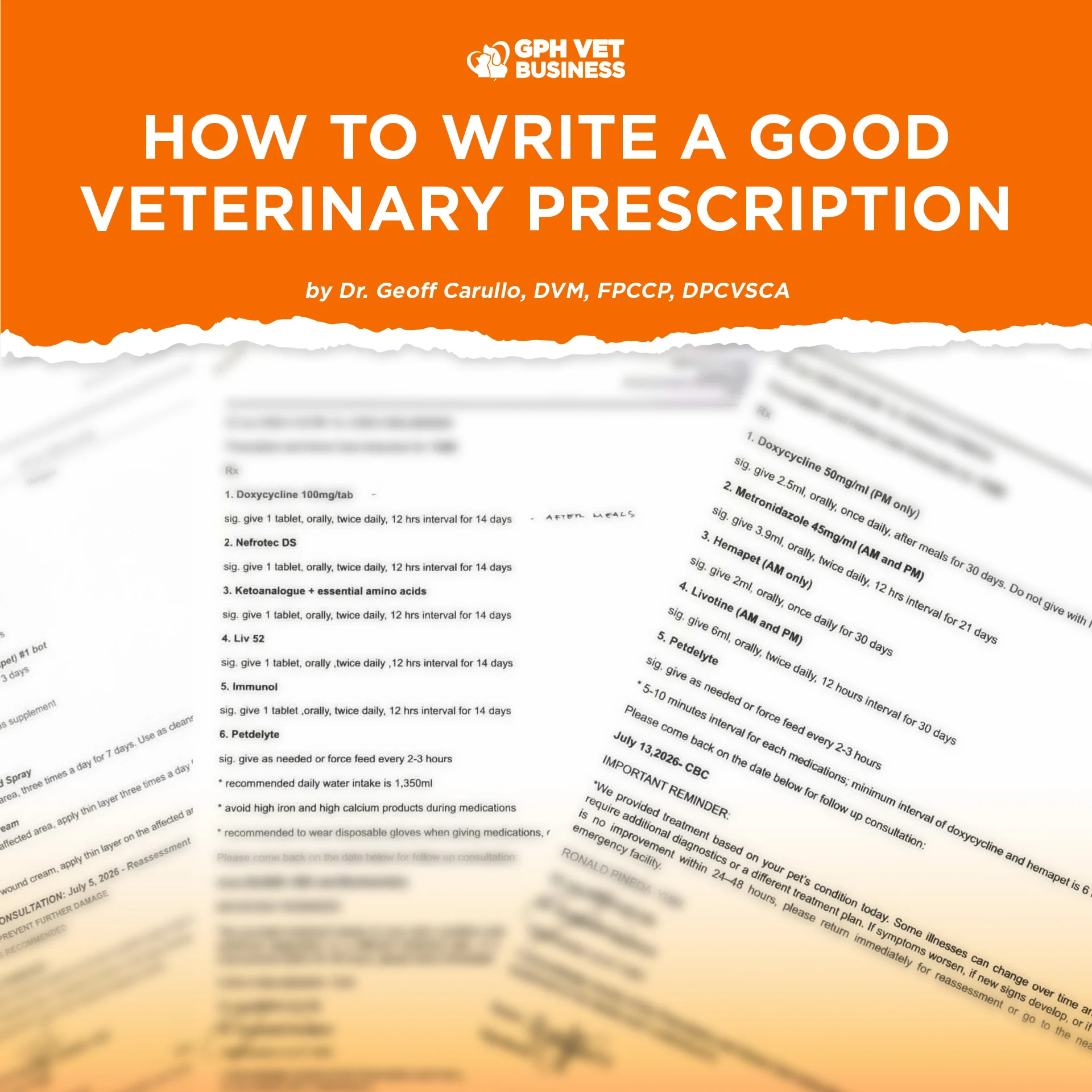
A prescription is more than just a piece of paper. It is a legal document, a communication tool between the veterinarian and the pharmacist, and a set of instructions that guides pet owners in administering medications correctly.
A poorly written prescription can lead to medication errors, treatment failure, adverse drug reactions, or even legal consequences. Every veterinarian should therefore develop the habit of writing prescriptions that are complete, accurate, and easy to understand.


The Mosby’s Veterinary PDQ (3rd Edition) summarizes the essential elements of a veterinary prescription, and these principles remain consistent with modern standards of veterinary practice.
1. Use the Complete Clinic Information
Every prescription should clearly identify who issued it.
Include:
- Name of the veterinary clinic or hospital
- Complete clinic address
- Contact number
- Email address (if available)
This allows pharmacists and clients to contact the veterinarian whenever clarification is needed.
2. Write the Date
Always indicate the exact date the prescription was written.
This is important because:
- It establishes when the medication was prescribed.
- It determines the validity period in jurisdictions where prescriptions expire.
- It serves as documentation in the patient’s medical record.
3. Identify the Client and Patient
Include:
- Owner’s full name
- Complete address (when appropriate)
- Patient’s name
- Species
- Breed
- Age
- Sex
- Body weight
Body weight is particularly important because most veterinary drugs are dosed on a mg/kg basis.

4. Write the Drug Name Clearly
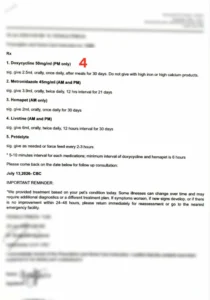
Always use the complete drug name.
Example:
Amoxicillin
instead of abbreviations that may cause confusion.
Whenever possible, specify:
- Generic name
- Brand name (if intended)
- Strength
Example:
Amoxicillin 250 mg capsule
rather than simply writing “Amoxicillin.”
5. Specify the Quantity
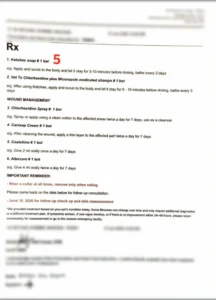
Indicate exactly how much medication should be dispensed.
Examples:
- Dispense 14 tablets
- Dispense 60 mL
- Dispense one bottle
Avoid vague statements such as:
“Give enough for one week.”
6. Provide Clear Directions (Sig)
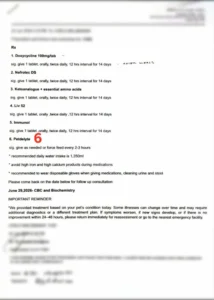
“Sig” comes from the Latin word Signa, meaning “write.”
Directions should include:
- Dose
- Route
- Frequency
- Duration
Example:
Give one tablet orally every 12 hours for seven days.
Avoid abbreviations that clients may not understand.
Instead of:
“1 tab PO BID x7d”
Write:
“Give one tablet by mouth every 12 hours for seven days.”
Clear instructions improve owner compliance.
7. Include Special Instructions
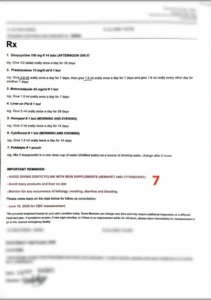
Additional directions may include:
- Give with food
- Shake well before use
- Refrigerate
- Finish the entire course
- Do not skip doses
- Return for recheck in seven days
These instructions improve treatment success.


8. Sign the Prescription
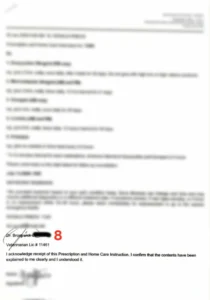
A prescription is incomplete without the veterinarian’s signature.
Include:
- Printed name
- Professional designation (DVM)
- PRC License Number
- PTR Number (where applicable)
- S2 License Number if prescribing dangerous drugs regulated by Philippine law
An unsigned prescription may not be legally valid.
9. Write Legibly
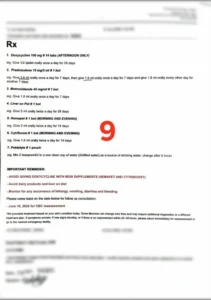
Many medication errors occur because of poor handwriting.
Better yet:
Use computerized or printed prescriptions whenever possible.
Legibility protects both the patient and the veterinarian.
10. Avoid Dangerous Abbreviations
Certain abbreviations have caused medication errors worldwide.
Instead of writing:
- U
- IU
- QD
- QOD
Write the complete words:
- Units
- International Units
- Once daily
- Every other day
Writing clearly minimizes the risk of misinterpretation.
11. Double-Check Before Handing It Over
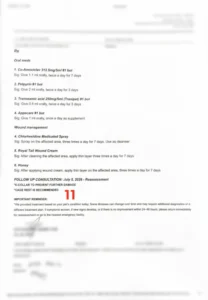
Before giving the prescription to the client, verify:
- ✓ Correct patient
- ✓ Correct medication
- ✓ Correct strength
- ✓ Correct dose
- ✓ Correct frequency
- ✓ Correct duration
- ✓ Correct quantity
- ✓ Signature present
A thirty-second review can prevent serious mistakes.
Remember
A prescription reflects the professionalism of the veterinarian.
A good prescription is:
- Complete
- Accurate
- Legible
- Easy for clients to understand
- Legally compliant
- Safe for the patient
In veterinary medicine, excellent patient care does not end after making the diagnosis. It continues through clear communication, proper documentation, and responsible prescribing.
Every prescription you write represents your clinical judgment and professional accountability.
References
- Bassert JM, Thomas JA. Mosby’s Veterinary PDQ: Veterinary Facts at Hand. 3rd ed. Elsevier; 2020.
- World Organisation for Animal Health. Responsible and Prudent Use of Antimicrobial Agents in Veterinary Medicine.
- World Health Organization. Medication Without Harm: Global Patient Safety Challenge.
- Philippine Veterinary Medical Association. Code of Ethics and Professional Practice.
- Professional Regulation Commission. Philippine Veterinary Medicine Act and implementing regulations.
Dr. Geoff Carullo is a Fellow and the current President of the Philippine College of Canine Practitioners.
Sharing this helps others understand what it really means to be a vet. Like and follow if you’re with us.