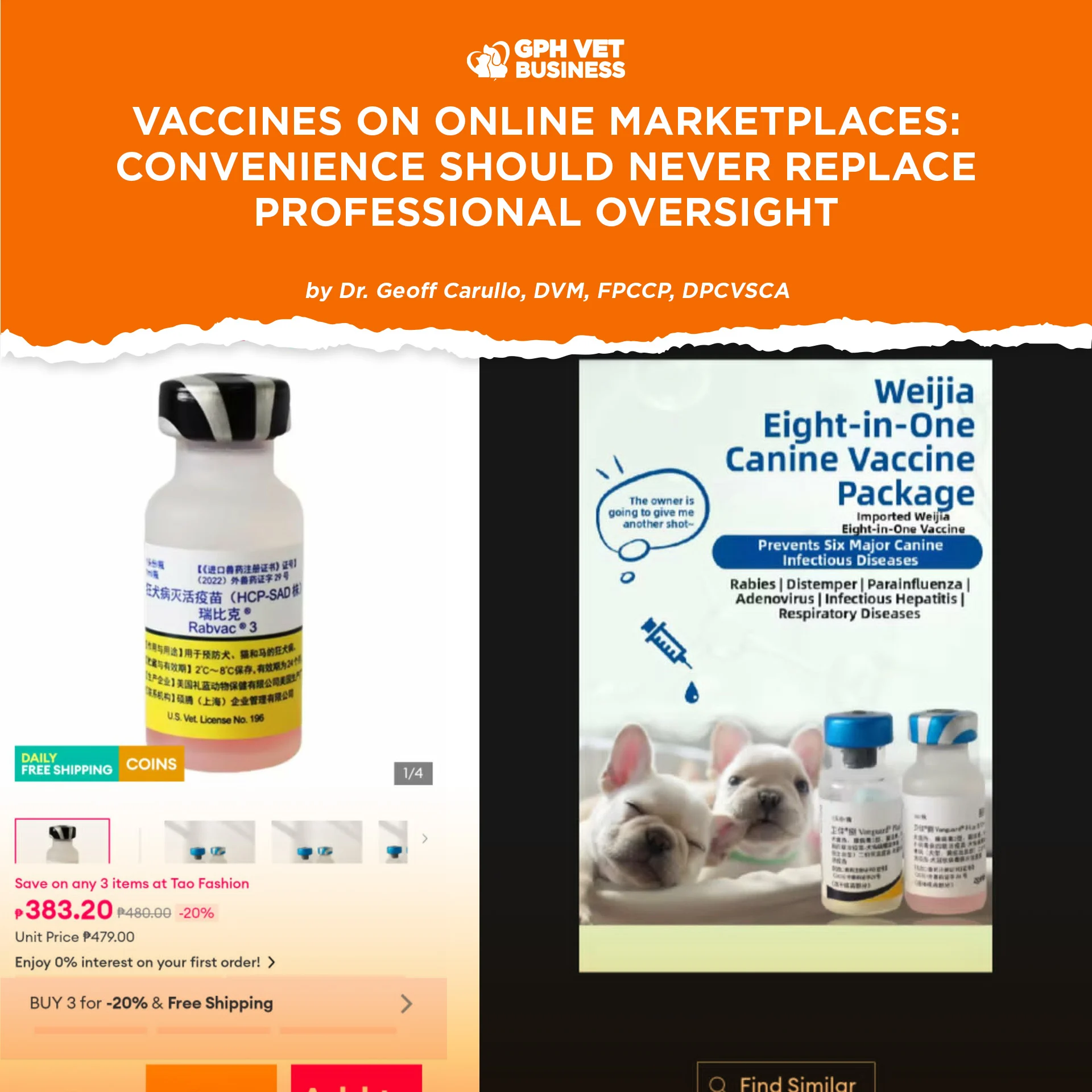
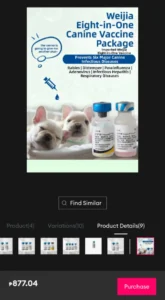
The rise of e-commerce has changed the way we buy almost everything, from groceries to electronics. Today, even veterinary products, including vaccines, can be found on online marketplaces.
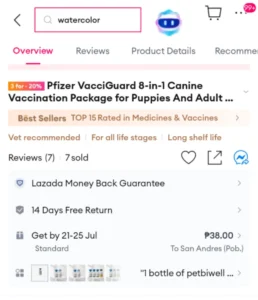
For many pet owners, this may seem convenient. Lower prices, home delivery, and positive customer reviews can make these listings appear trustworthy.
However, vaccines are not ordinary products.
They are biologics.
Unlike pet food, shampoos, or accessories, vaccines require strict quality control from the moment they leave the manufacturer until they are administered to the patient. This uninterrupted temperature-controlled process, known as the cold chain, is essential for preserving vaccine potency.

A vaccine that has been exposed to improper temperatures may look perfectly normal. The vial may be intact, the label genuine, and the expiration date valid. Yet its ability to stimulate protective immunity may already have been compromised.


This is why veterinarians invest in purpose-built vaccine refrigerators, continuous temperature monitoring, proper inventory management, and validated handling procedures. The value of a vaccination appointment extends far beyond the cost of the vial itself.
Vaccination is also a medical decision, not simply an injection.
Before administering a vaccine, a veterinarian evaluates the animal’s age, health status, previous vaccination history, lifestyle, and risk factors. An animal that is ill, immunocompromised, or receiving certain medications may need to have vaccination postponed or modified. These are clinical judgments that cannot be made by an online shopping platform.
Customer reviews stating that “the ice packs were still frozen” or “the vaccine looks genuine” are reassuring at first glance, but they cannot verify that the product maintained an unbroken cold chain throughout manufacturing, warehousing, transportation, storage, and final delivery. Nor can they confirm that the vaccine was handled correctly before administration.
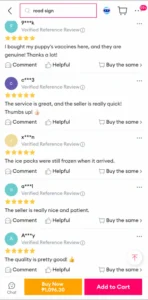
There is also the issue of accountability.
If a vaccinated pet later develops a vaccine-preventable disease or experiences an adverse reaction, determining the cause becomes extremely difficult. Was the vaccine authentic? Was it stored properly? Was it administered correctly? Was the patient healthy enough to receive it? Was the vaccination schedule appropriate?
These are questions that require professional oversight.


This discussion is not meant to criticize online commerce. Digital platforms have expanded access to many legitimate veterinary products. However, vaccines occupy a unique category because they are highly sensitive biological products whose effectiveness depends on maintaining quality from the manufacturer to the patient.
As veterinarians, we do not simply sell vaccines.
We protect the integrity of the vaccination process.
What pet owners receive in a veterinary clinic is more than a vial. They receive:
- A professional examination
- Proper vaccine selection
- Validated cold-chain storage
- Correct administration
- Monitoring for adverse reactions
- Accurate medical records
- Medical accountability

In vaccination, the product alone does not protect the patient.
The entire system does.
References
- World Small Animal Veterinary Association (WSAVA). Vaccination Guidelines for the Owners and Breeders of Dogs and Cats.
- World Small Animal Veterinary Association (WSAVA). Guidelines for the Vaccination of Dogs and Cats.
- American Animal Hospital Association (AAHA). 2022 AAHA Canine Vaccination Guidelines.
- Centers for Disease Control and Prevention (CDC). Vaccine Storage and Handling Toolkit (principles of cold-chain management applicable to vaccines).
Dr. Geoff Carullo is a Fellow and the current President of the Philippine College of Canine Practitioners.
Sharing this helps others understand what it really means to be a vet. Like and follow if you’re with us.