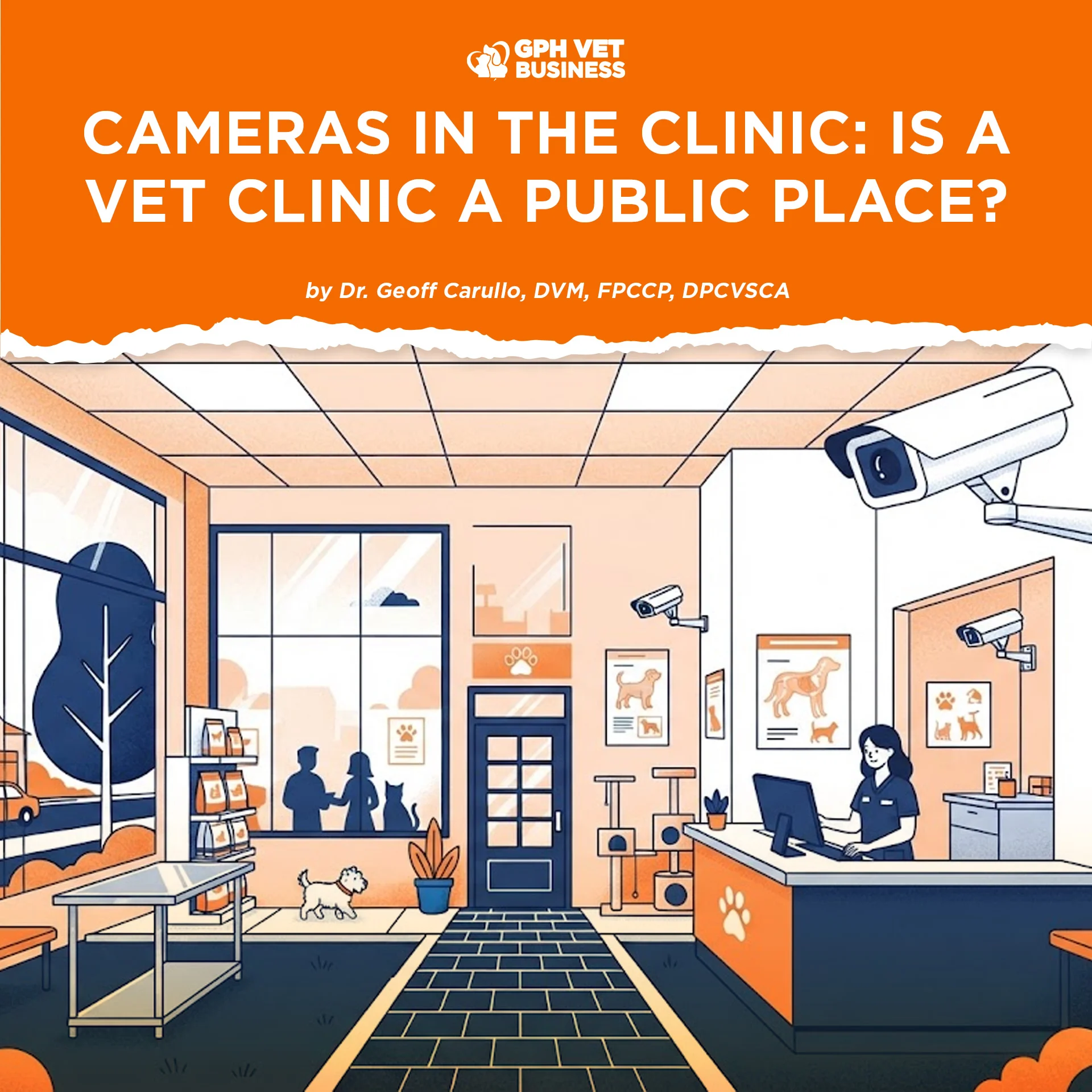
In an age of smartphones and social media, it’s become common to see pet owners recording moments inside veterinary clinics — from emotional reunions to behind-the-scenes treatment videos.
But the big question is: Is a veterinary clinic considered a public place? And are people allowed to film or take photos freely?
What the Law Suggests
According to civil and entertainment legal experts, when you’re in a public place, you typically have no expectation of privacy. People can photograph or video you without needing your permission — as long as it’s not for commercial use or done in a defamatory way.
But here’s the catch: Veterinary clinics are not entirely public spaces.
A vet clinic, while open to clients, is considered a private establishment that provides medical services. Just like hospitals, private schools, or business offices, clinics can set their own policies when it comes to photography, filming, and privacy. Being open to the public doesn’t make it a “public place” under the law.


What People Can Do
Clients may be allowed to take pictures or videos of their own pets or themselves, especially in common areas like the waiting room — as long as it doesn’t disrupt operations or violate another client’s privacy.
In some cases, even staff or doctors may be recorded during consultations or procedures, unless your clinic has posted a clear no recording policy or requires consent before filming.
What People Cannot Do
What’s not allowed is using any video or image captured inside the clinic to:
- Defame the veterinarian or staff
- Misrepresent or alter the truth of what happened
- Use the footage for commercial or promotional gain without consent
- Record other clients or animals without permission
In the veterinary world, even more care is required because sensitive medical situations, emotional owners, and patient confidentiality are often involved.


What Vets Should Do
To protect both clients and your team, it’s best to:
- Post a clear signage at the entrance: “No Recording or Photography Allowed Without Permission”
- Include media and privacy clauses in your clinic consent forms
- Politely but firmly ask clients to stop recording if it’s against policy
- Document any incidents involving unauthorized recording, especially if it may be used in a harmful or defamatory way
Final Thoughts
While public spaces come with fewer privacy protections, a vet clinic remains a place of trust, confidentiality, and professionalism. Everyone — clients, staff, and practitioners — should be mindful of their rights and responsibilities.
We owe it to our patients (and their humans) to create a safe space — not a social media spectacle.

Dr. Geoff Carullo is a Fellow and the current President of the Philippine College of Canine Practitioners.
Sharing this helps others understand what it really means to be a vet. Like and follow if you’re with us.