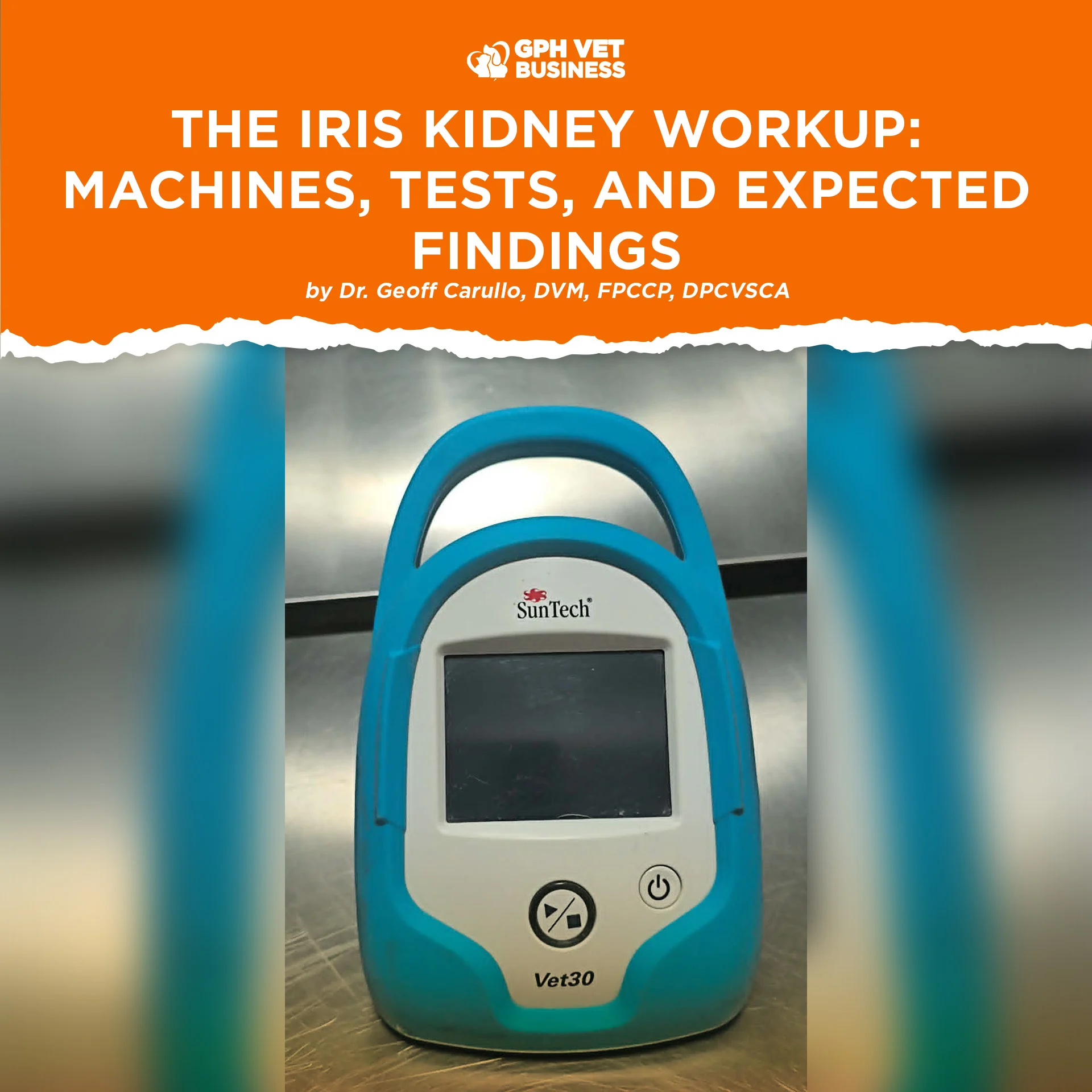
The IRIS guidelines make one thing clear: creatinine alone is not enough. A proper CKD workup requires several tests and machines working together.
1. Blood Pressure Monitor
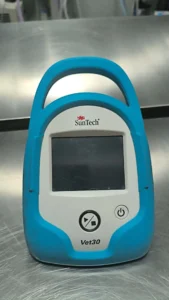
Test: Systolic blood pressure
Expected IRIS interpretation:
- Below 140 mmHg: normotensive
- 140–159 mmHg: prehypertensive
- 160–179 mmHg: hypertensive
- 180 mmHg or higher: severely hypertensive
Persistent hypertension increases the risk of kidney and target-organ damage.
2. UPC Testing System
Test: Urine protein-to-creatinine ratio
Expected results:
Dogs
- Below 0.2: non-proteinuric
- 0.2–0.5: borderline proteinuric
- Above 0.5: proteinuric
Cats
- Below 0.2: non-proteinuric
- 0.2–0.4: borderline proteinuric
- Above 0.4: proteinuric
UPC should be interpreted only after excluding urinary inflammation, infection, or bleeding.


3. SDMA Analyzer and Kit
Test: Serum SDMA
Expected finding: Persistent elevation may indicate reduced kidney filtration, sometimes before creatinine rises.
A result above the laboratory reference interval, commonly above 14 µg/dL depending on the assay, should be interpreted with creatinine, urine specific gravity, and imaging findings.
4. Chemistry Analyzer for Creatinine
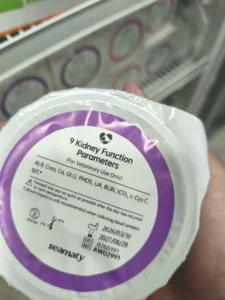
Test: Serum creatinine
Expected IRIS staging values:
Dogs
- Stage 1: below 1.4 mg/dL
- Stage 2: 1.4–2.8 mg/dL
- Stage 3: 2.9–5.0 mg/dL
- Stage 4: above 5.0 mg/dL
Cats
- Stage 1: below 1.6 mg/dL
- Stage 2: 1.6–2.8 mg/dL
- Stage 3: 2.9–5.0 mg/dL
- Stage 4: above 5.0 mg/dL
Results should be obtained from a stable, hydrated patient.
5. Chemistry Analyzer for BUN and Renal Panel
Tests: BUN, phosphorus, calcium, albumin, electrolytes, glucose, and total carbon dioxide.
Expected CKD findings may include:
- Increased BUN
- Increased phosphorus
- Electrolyte abnormalities
- Low bicarbonate or total CO₂
- Changes in albumin or calcium
BUN supports the assessment but is not the main parameter used for IRIS staging.


6. Ultrasound Machine
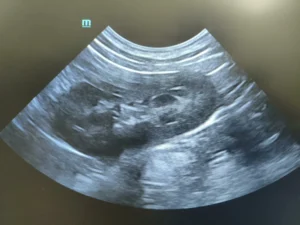
Test: Renal ultrasonography
Possible CKD findings:
- Small or irregular kidneys
- Increased cortical echogenicity
- Reduced corticomedullary distinction
- Renal cysts
- Nephroliths
- Pyelectasia or hydronephrosis
- Structural abnormalities
Abnormal renal imaging may support Stage 1 CKD even when creatinine is still normal.
7. Digital X-ray Machine
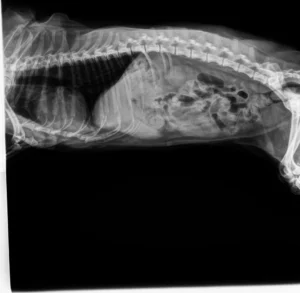
Test: Abdominal radiography
Possible findings:
- Nephroliths
- Ureteroliths
- Abnormal kidney size
- Renal mineralization
- Urinary obstruction
Radiography complements ultrasound, especially when urinary stones are suspected.
8. Urinalysis Equipment
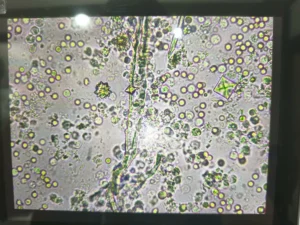
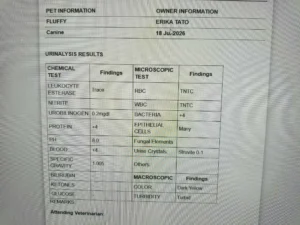
Needed: Refractometer, urine strips, centrifuge, microscope, slides, and coverslips.
Tests and expected CKD findings:
- Inappropriately low urine specific gravity
- Proteinuria
- Casts
- Hematuria or pyuria
- Bacteria
- Crystals
Possible evidence of reduced concentrating ability includes USG below approximately 1.030 in dogs and 1.035 in cats, after excluding non-renal causes.

The Complete IRIS Setup
A clinic performing an IRIS-based kidney evaluation should have access to:
- Blood pressure monitor
- UPC testing system
- SDMA analyzer and kit
- Creatinine testing
- BUN and renal chemistry panel
- Ultrasound machine
- Digital X-ray
- Complete urinalysis equipment
The expected result is not one abnormal number. It is a complete renal profile combining kidney function, proteinuria, blood pressure, urine concentration, and structural changes.
Dr. Geoff Carullo is a Fellow and the current President of the Philippine College of Canine Practitioners.
Sharing this helps others understand what it really means to be a vet. Like and follow if you’re with us.