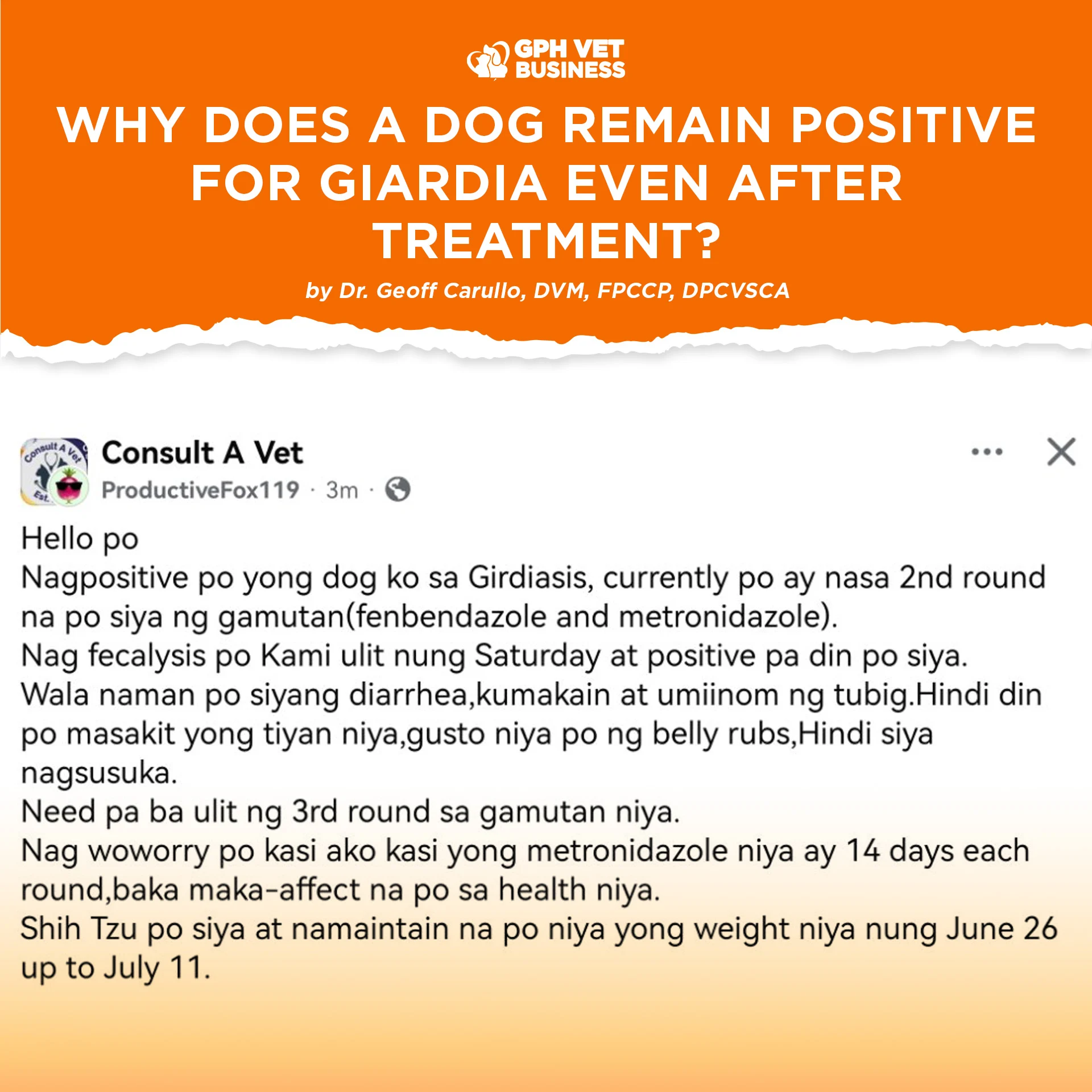
One of the most common concerns among pet owners is this:
“Doc, natapos na po ang gamutan ng aso ko, pero positive pa rin siya sa Giardia. Kailangan na ba ulit ng panibagong round ng gamot?”
The answer is not always.
A positive fecal test after treatment does not automatically mean the treatment failed.


Understanding Giardia
Giardia is an intestinal protozoan parasite that infects the small intestine of dogs and cats. It commonly causes:
- Diarrhea
- Soft stools
- Weight loss
- Poor nutrient absorption
However, many infected dogs eventually become clinically normal despite still carrying the organism.
Some dogs:
- eat normally,
- maintain their weight,
- remain active,
- and have completely normal stools.
These dogs may become asymptomatic carriers.
Why Can the Test Stay Positive?
There are several possible reasons.
1. Reinfection
Giardia cysts survive in the environment.
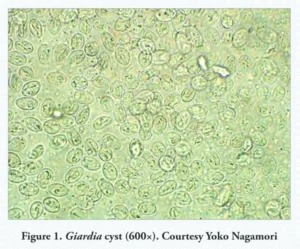
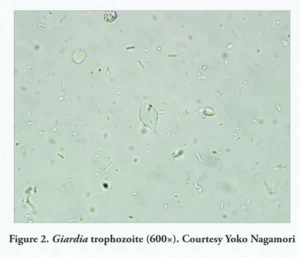
Dogs can easily become reinfected from:
- contaminated grass
- puddles
- dirty kennels
- contaminated food or water bowls
- licking contaminated paws
- other infected pets
Without environmental cleaning, reinfection is common.
2. Residual Organisms
Even after successful treatment, a few organisms may remain temporarily in the intestines.
Some diagnostic tests are sensitive enough to detect these organisms even when the dog is already clinically healthy.


3. Carrier State
Some healthy dogs continue shedding Giardia cysts despite having no clinical signs.
These dogs appear perfectly healthy but may still test positive.
Treatment decisions should therefore consider both the laboratory result and the patient’s clinical condition.
Does Every Positive Dog Need Another Round of Medication?
Not necessarily.
Veterinarians usually evaluate:
- Does the dog still have diarrhea?
- Is there weight loss?
- Is the appetite normal?
- Is hydration good?
- Is the dog energetic?
- What type of fecal test was performed?
- Could this simply be reinfection?
A healthy dog with normal stools and stable weight may not always require repeated courses of medication solely because of a positive test.
Each case should be assessed individually.
What About Repeated Metronidazole?
Many owners worry about repeated use of metronidazole, especially if each course lasts 10 to 14 days.
This concern is understandable.
Although metronidazole is generally safe when prescribed appropriately, prolonged or repeated courses may increase the risk of adverse effects, including:
- decreased appetite
- vomiting
- neurologic signs (such as wobbliness, tremors, or seizures at high cumulative doses)
- alterations in the normal intestinal microbiome
Because of these potential risks, veterinarians weigh the benefits and risks before recommending another treatment cycle.

Environmental Control Is Equally Important
Medication alone is often not enough.
Reducing environmental contamination helps prevent reinfection.
This includes:
- picking up feces immediately
- bathing the dog after treatment to remove cysts from the coat
- washing food and water bowls daily
- disinfecting floors and kennels when possible
- preventing access to contaminated water sources
The Bottom Line
A positive Giardia test after treatment should not automatically trigger another course of medication.
The veterinarian should interpret the result together with the dog’s clinical condition, the type of diagnostic test used, the possibility of reinfection, and the potential risks of repeated therapy.
If your dog is eating well, maintaining weight, has normal stools, and remains bright and active, your veterinarian may recommend reassessment rather than immediately starting another treatment cycle.
Every patient is different, and treatment decisions should always be individualized.
References
- Companion Animal Parasite Council. Giardia Guidelines for Dogs and Cats.
- European Scientific Counsel Companion Animal Parasites. Guideline 06: Control of Intestinal Protozoa in Dogs and Cats.
- Greene’s Infectious Diseases of the Dog and Cat.
- Small Animal Internal Medicine.
Dr. Geoff Carullo is a Fellow and the current President of the Philippine College of Canine Practitioners.
Sharing this helps others understand what it really means to be a vet. Like and follow if you’re with us.