Canine parvovirus (CPV) remains one of the most challenging infectious diseases encountered in small animal practice. The ideal treatment remains hospitalization with intensive intravenous fluid therapy, continuous monitoring, nutritional support, and management of complications. Unfortunately, financial limitations, geographic barriers, or limited hospital availability sometimes prevent owners from pursuing inpatient care.
The important question then becomes:
Should these puppies simply be sent home with little or no treatment?
Current evidence suggests that the answer is no.
Several studies, including work from Colorado State University (CSU), have demonstrated that carefully selected patients may benefit from a structured outpatient treatment protocol when hospitalization is declined. This approach is not a replacement for standard care, but rather an evidence-based alternative that offers some patients a realistic chance of survival.
Initial Stabilization Comes First

Before considering outpatient management, the patient should first undergo appropriate stabilization.
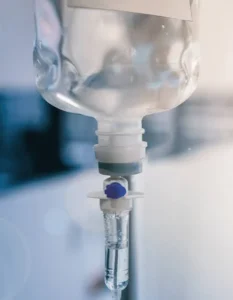
This begins with intravenous isotonic crystalloid fluid resuscitation at 10–20 mL/kg over approximately 15 minutes, followed by reassessment of perfusion parameters.
The veterinarian should evaluate:
- Heart rate
- Pulse quality
- Mucous membrane color
- Capillary refill time
- Mentation
- Body temperature
- Blood lactate (when available)
If perfusion does not improve after reassessment, additional IV fluid boluses may be necessary, and hospitalization should again be strongly recommended.
Only patients that respond adequately to initial stabilization should be considered candidates for outpatient treatment.


The Basic Outpatient Protocol
After stabilization, treatment focuses on maintaining hydration, controlling vomiting, preventing secondary bacterial infection, correcting electrolyte abnormalities, and providing nutritional support.
The CSU protocol includes:
Fluid Therapy
- Scheduled subcutaneous crystalloid fluids after IV stabilization
- Adjustment of fluid volumes according to dehydration status
- Careful monitoring of fluid absorption
Antimicrobial Therapy
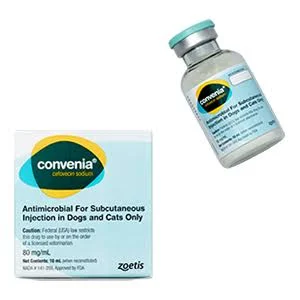
- Cefovecin administered subcutaneously at the initial visit to help reduce the risk of bacterial sepsis associated with intestinal barrier disruption.
Antiemetic Therapy
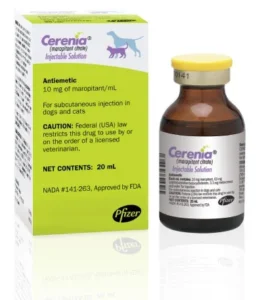
- Maropitant given once daily to reduce vomiting and improve patient comfort.
Additional supportive care may include:
- Oral glucose supplementation for hypoglycemia
- Oral potassium supplementation when hypokalemia is present
- Early enteral nutrition using highly digestible recovery diets
- Syringe feeding when voluntary food intake is inadequate
- Rescue medications such as buprenorphine for pain or ondansetron for persistent vomiting when clinically indicated
Maintaining body temperature above 37.2°C (99°F) is also emphasized because hypothermia worsens prognosis and may impair subcutaneous fluid absorption.


Daily Reassessment Is Essential
Outpatient treatment does not mean minimal treatment.
These patients require frequent veterinary re-evaluation.
Daily examinations should assess:
- Hydration status
- Body weight
- Blood glucose
- Electrolytes
- Mentation
- Appetite
- Vomiting and diarrhea
- Overall clinical progress
Any deterioration should prompt immediate reconsideration of hospitalization.
Recognizing Outpatient Treatment Failure
Some patients will not respond adequately despite appropriate outpatient management.
Hospitalization becomes necessary if any of the following develop:
- Progressive dehydration
- Worsening depression or mentation
- Obtundation or stupor
- Persistent fever
- Hyperlactatemia
- Continued clinical deterioration despite treatment
- Any clinical concern suggesting intensive care is required
Recognizing failure early is just as important as initiating treatment.
Selecting the Right Patients
Not every parvovirus patient is an appropriate outpatient candidate.
Success depends on:
- Appropriate case selection
- Initial stabilization
- Careful owner education
- Strict compliance with treatment schedules
- Daily veterinary monitoring
Outpatient management should never be viewed as a shortcut or a way to reduce the standard of care. Rather, it is a compassionate, evidence-based option for situations in which hospitalization is simply not possible.

The Take-Home Message
Hospitalization remains the gold standard for treating canine parvovirus. However, evidence now supports structured outpatient protocols as a viable alternative for selected patients whose owners cannot pursue inpatient care.
The goal is not to replace hospitalization but to provide these puppies with the best possible chance of survival when circumstances limit available options. With proper stabilization, careful patient selection, diligent monitoring, and committed owners, outpatient management can achieve meaningful clinical success.
References
- Venn EC, Preisner K, Boscan PL, et al. Evaluation of an outpatient protocol in the treatment of canine parvoviral enteritis. Journal of Veterinary Emergency and Critical Care. 2017;27:52-65.
- Colorado State University. Treating the Treatables: CSU Outpatient Parvo Protocol. 2013.
- American Animal Hospital Association (AAHA). 2024 AAHA Fluid Therapy Guidelines.
- Perley K, Burns CC, Maguire C, et al. Retrospective evaluation of outpatient canine parvovirus treatment in a shelter-based low-cost urban clinic. Journal of Veterinary Emergency and Critical Care. 2020;30:202-208.
Dr. Geoff Carullo is a Fellow and the current President of the Philippine College of Canine Practitioners.
Sharing this helps others understand what it really means to be a vet. Like and follow if you’re with us.