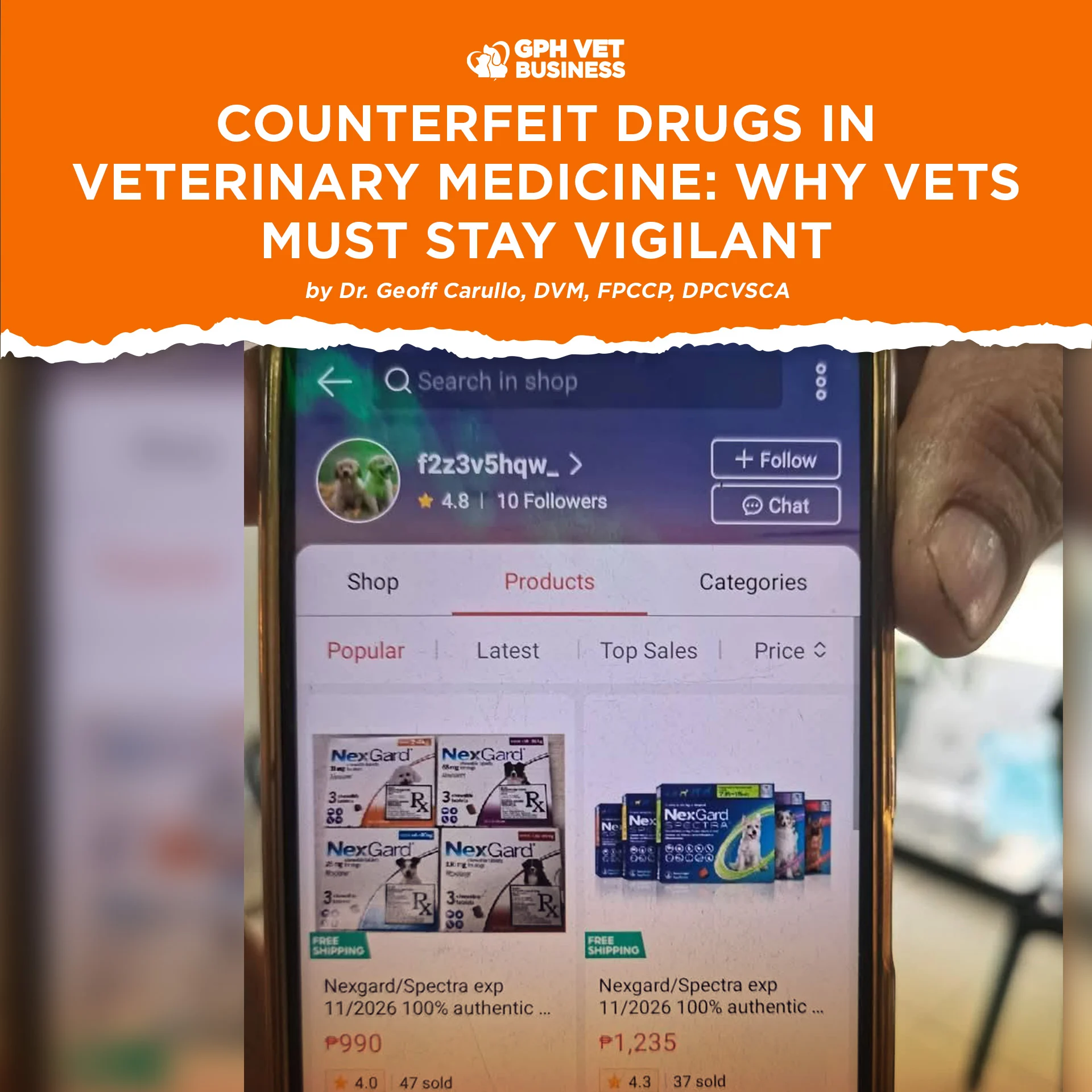
There’s a quiet but dangerous enemy creeping into our profession—counterfeit veterinary drugs.
Many of us in the field juggle diagnostics, surgeries, client calls, business operations, and staff management daily.
But now, we are expected to do one more thing: verify if the medicines we prescribe or dispense are even authentic.
One vet recently shared their concern:
“Nakakatakot. Pati ba naman kung tama yung binili ng client sa reseta ko, ako pa sisingilin kung peke pala? Eh di na lang ako magrereseta ng …..—baka ma-raid pa ako ng FDA.”
It’s a legitimate fear.
With the increasing crackdown by regulatory bodies like the FDA, the burden of accountability has started to weigh heavily on private practitioners.
And with the rise of counterfeit drugs sold online or from unverified suppliers, even well-meaning veterinarians are put at risk.
The Risks of Counterfeit Drugs
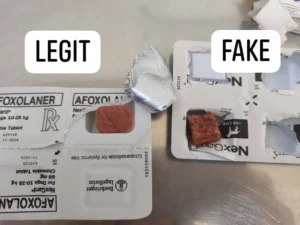
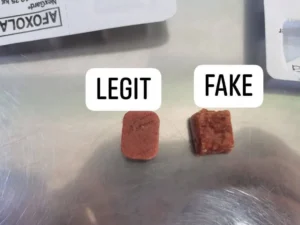
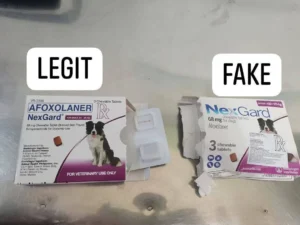
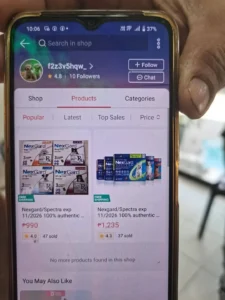
- Therapeutic failure – Animals don’t get better because the drug has little to no active ingredient.
- Toxicity – Some fakes contain harmful substances that can worsen a patient’s condition.
- Loss of trust – When pets don’t improve despite treatment, pet owners lose faith—not in the drug, but in the vet.
- Legal liability – If a clinic stocks or administers counterfeit products, even unknowingly, they may face sanctions.
A Real Case: Same Bottle, Different Outcome
Recently, a photo circulated showing two identical boxes of a popular injectable antibiotic. One came from a trusted distributor. The other was a counterfeit—identical packaging, same lot number, same branding.
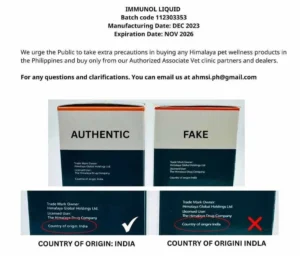
The difference?
The fake one had zero efficacy in clinical use. But the vet who prescribed it is now under scrutiny.
This is why sourcing matters.
If we don’t know where our clients are buying the medications, we can’t vouch for their safety or legitimacy.
And if we don’t verify the sources in our own clinic, we’re putting ourselves—and our patients—at risk.


What Can Vets Do?
- Source only from verified distributors
Build relationships with trusted suppliers. Request certificates of authenticity if needed. - Educate pet owners
Tell clients to avoid buying medicines from unlicensed online sellers or shady resellers. - Keep documentation
Record your purchase orders, batch numbers, and invoices. These can protect you in the event of an investigation. - Report suspicious products
Inform the FDA or relevant regulatory bodies if you suspect a counterfeit. - Refuse risky prescriptions
If you suspect that a pet owner will source drugs from an unreliable seller, it’s okay to say no or recommend in-clinic treatment.


The Call for Fairness
As veterinarians, we already work under intense pressure. It’s unfair to expect us to become pharmacists, chemists, legal investigators, and enforcers all at once. We need:
- Clearer guidelines from the FDA
- Stronger enforcement at the supplier and importer level
- And most importantly, protection for frontline practitioners who operate in good faith
The enemy here is not the vet. It’s the counterfeiters.
Let’s protect our profession. Let’s protect our patients.
And let’s demand a system that doesn’t punish the very people trying to do the right thing.
Dr. Geoff Carullo is a Fellow and the current President of the Philippine College of Canine Practitioners.
Sharing this helps others understand what it really means to be a vet. Like and follow if you’re with us.