The International Renal Interest Society (IRIS) has released its updated 2026 Chronic Kidney Disease (CKD) Guidelines, and while the overall staging system remains familiar, several important refinements will directly affect how veterinarians diagnose, stage, monitor, and treat dogs and cats with chronic kidney disease.
Rather than reinventing the guidelines, IRIS has focused on making them more practical, individualized, and evidence-based.
Here are the updates every small animal practitioner should know.
1. Creatinine Is No Longer Enough
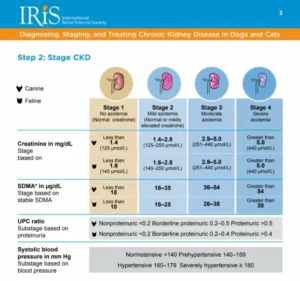
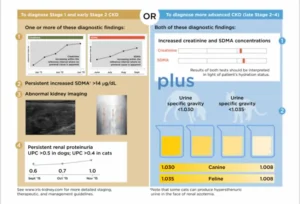
Perhaps the biggest message of the 2026 guidelines is that creatinine should never be interpreted alone.
IRIS now places greater emphasis on combining:
- Serum creatinine
- SDMA
- Proteinuria (UPC)
- Blood pressure
to provide a more accurate assessment of renal function.
This reflects what many clinicians already experience in practice.
Some patients have normal creatinine but elevated SDMA. Others have increasing proteinuria despite stable creatinine. Looking at only one parameter risks underestimating disease severity.


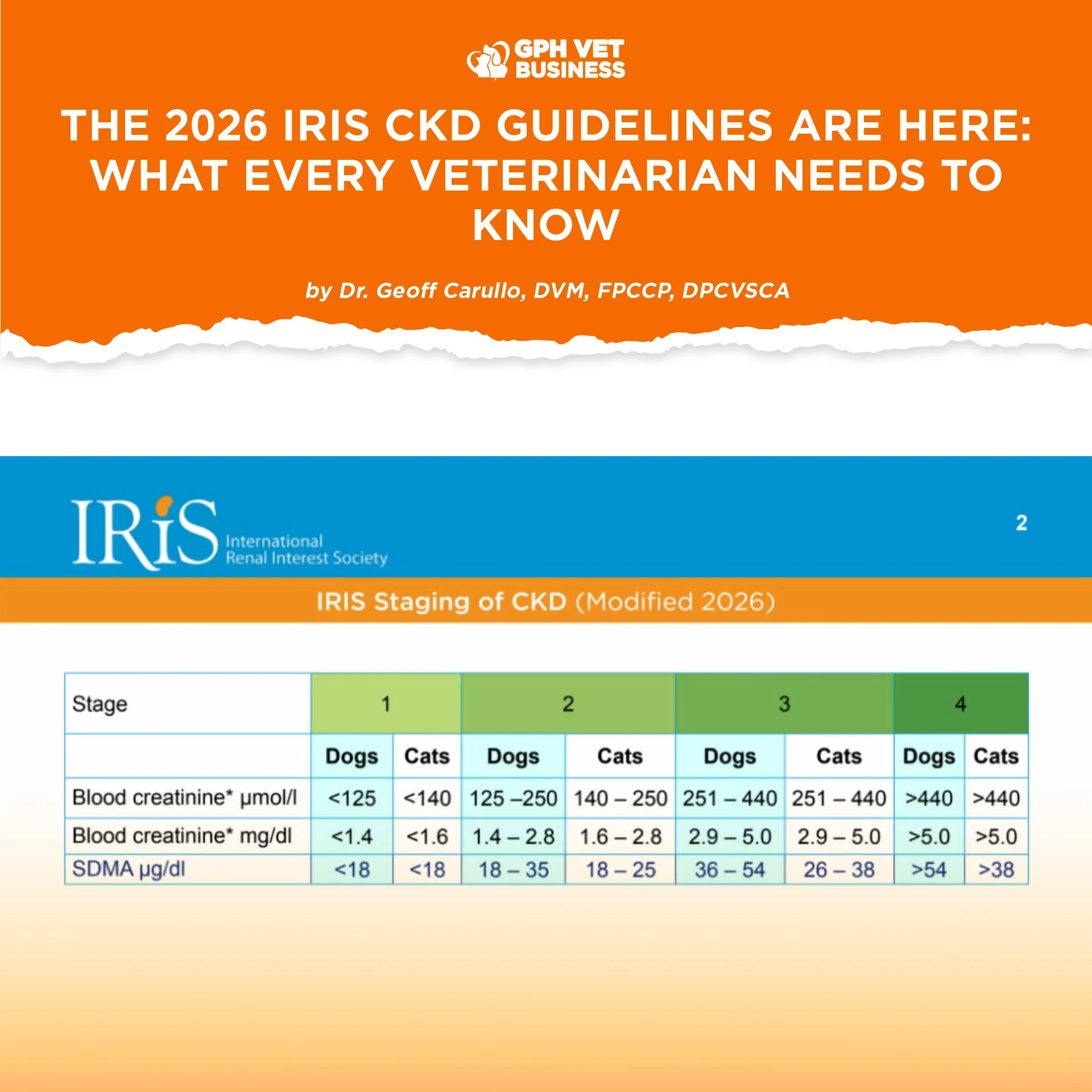
2. New CKD Staging Ranges for Dogs
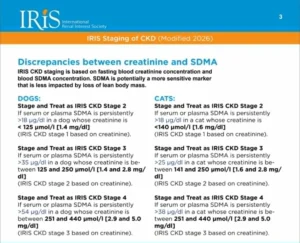
The overall four-stage IRIS classification remains unchanged.
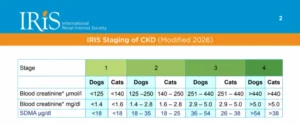
However, the creatinine ranges in dogs have been refined.
Stage 2 has been expanded while Stage 3 has been narrowed to reduce overlap and improve consistency between patients.
Cats largely retain their previous staging ranges.
This change should improve staging accuracy, particularly in borderline canine cases.
3. SDMA Has Become a Core Staging Tool
SDMA is no longer simply an optional biomarker.
It is now considered an integral component of CKD staging.
When SDMA and creatinine disagree, IRIS recommends staging according to the persistently more advanced marker after confirming repeat results and correlating with the clinical picture.
This recognizes that SDMA may detect declining renal function earlier than creatinine, particularly in patients with reduced muscle mass.


4. Clearer Guidelines for Treating Anaemia
The 2026 update introduces specific hematocrit thresholds that guide when treatment should begin.
This provides clinicians with more objective decision-making compared with previous recommendations.
Treatment options continue to include darbepoetin and blood transfusion when indicated.
A notable addition is the recognition of HIF-PH inhibitors, such as molidustat, as an emerging therapeutic option for CKD-associated anaemia.
5. Hypertension Management Is Better Defined
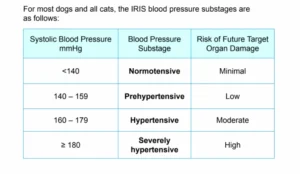
IRIS now provides clearer blood pressure categories together with recommendations on:
- When repeated measurements are necessary
- When antihypertensive treatment should begin
- How target organ damage influences decision-making
This encourages clinicians to avoid treating isolated blood pressure readings while emphasizing persistent hypertension confirmed over time.
6. Proteinuria Receives Greater Attention
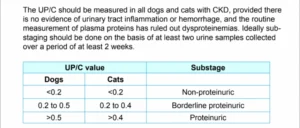
Proteinuria is no longer viewed simply as a consequence of kidney disease.
It is recognized as an important contributor to CKD progression.
The guidelines reinforce:
- Routine UPC monitoring
- Treatment thresholds
- Aggressive reduction of persistent proteinuria
ACE inhibitors and angiotensin receptor blockers remain the cornerstone of therapy.

7. Re-Staging Is Now Strongly Encouraged
One of the most practical additions is the emphasis on dynamic staging.
Patients should not remain in the same IRIS stage indefinitely.
Re-staging is recommended whenever there are significant changes in:
- Creatinine
- SDMA
- UPC
- Blood pressure
- Clinical condition
Treatment plans should evolve as the patient changes.
8. Geriatric Patients Require Individualized Care
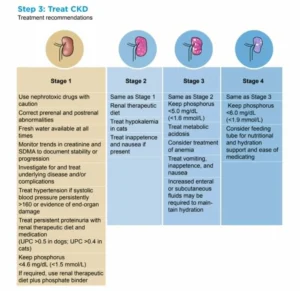
The guidelines recognize that ageing itself alters kidney physiology.
Loss of muscle mass may lower creatinine despite worsening renal disease.
Therefore, clinicians should interpret laboratory results together with body condition, hydration status, concurrent disease, and overall quality of life.
Treatment decisions should focus not only on prolonging survival but also on maintaining comfort and function.
What Has Not Changed?
Despite these refinements, the core principles of CKD management remain the same.
- Early diagnosis
- Blood pressure control
- Proteinuria reduction
- Renal nutrition
- Hydration management
- Regular monitoring
- Client education
These continue to be the foundation of successful long-term CKD management.
Final Thoughts
The 2026 IRIS CKD Guidelines are not a radical overhaul. They are a thoughtful evolution of an already well-established framework.
The emphasis has shifted from relying on a single laboratory value toward integrating multiple biomarkers and individual patient factors. This allows veterinarians to make more accurate diagnoses, tailor treatment plans more effectively, and monitor disease progression with greater precision.
Ultimately, the goal remains unchanged: slow disease progression, minimize complications, and preserve the best possible quality of life for dogs and cats living with chronic kidney disease.
Reference
- International Renal Interest Society (IRIS). 2026 IRIS Guidelines for Chronic Kidney Disease in Dogs and Cats. Modified 2026. Available at: https://www.iris-kidney.com/
Dr. Geoff Carullo is a Fellow and the current President of the Philippine College of Canine Practitioners.
Sharing this helps others understand what it really means to be a vet. Like and follow if you’re with us.