I. Understand the Landscape First
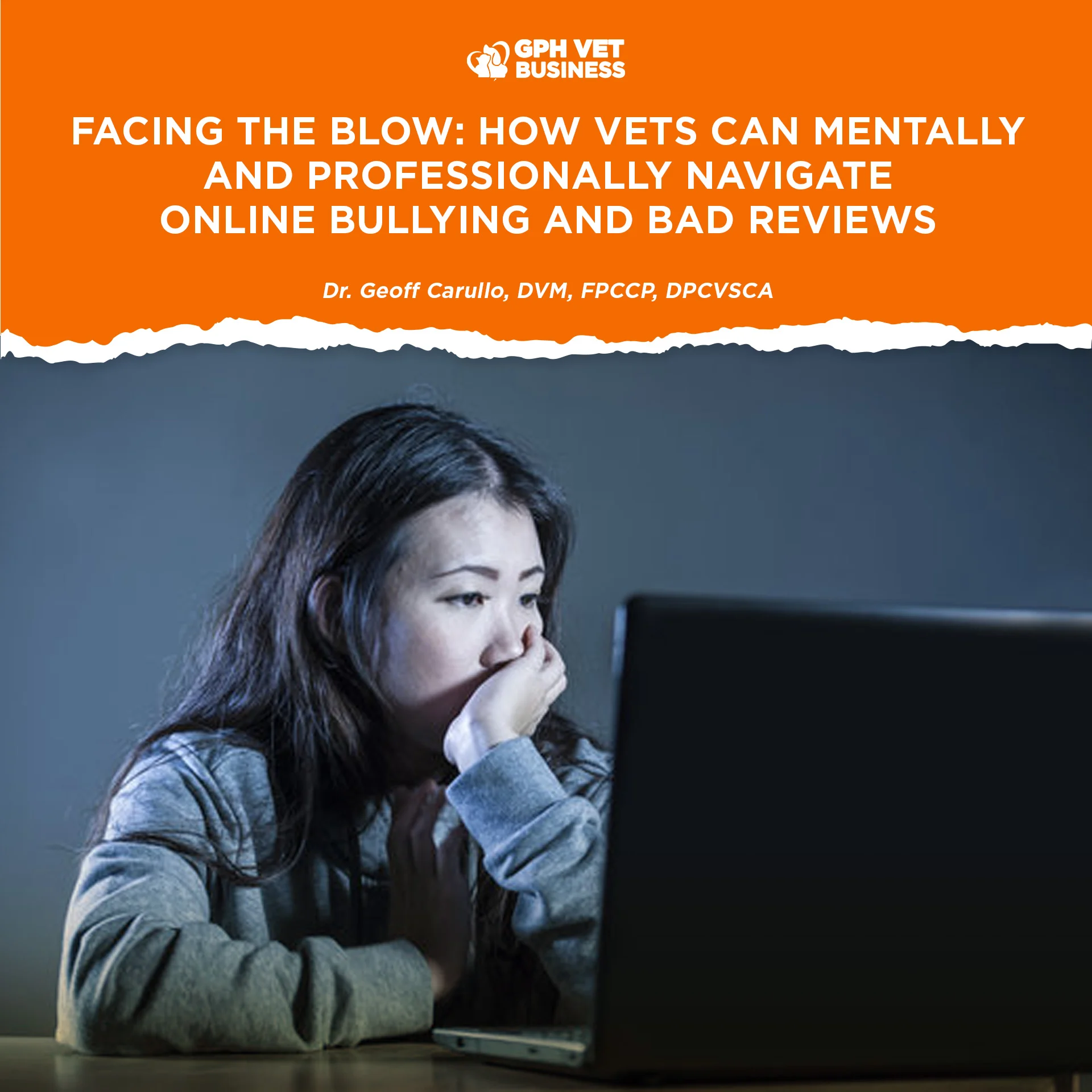
Veterinarians are especially vulnerable to online bullying because:
- Emotions are high in pet care.
- Clients often conflate grief, guilt, or financial frustration with blame.
- Social media gives everyone a voice—even the misinformed, entitled, or malicious.
➡️ Reality check: Even world-class clinics get 1-star reviews. This isn’t about being “wrong.” It’s about being visible.

II. Mindset Shift: Not Every Post Deserves Your Peace
1. It’s not always about you. Some bad reviews are more reflective of the client’s state (grief, anger, embarrassment) than of your actual care.
2. Silence is a strategy—not surrender. You are not obligated to clap back. Sometimes, restraint is more powerful than rebuttal.
3. You are not a customer service robot. You are a medical professional. Stop letting trolls treat your page like a fast food complaint box.


III. Professional Response Framework
For Genuine Concerns:
Use a respectful, templated reply such as:
“We’re sorry to hear about your experience. We take feedback seriously and would like to resolve this offline. Please contact us directly so we can understand and address your concern.”
This shows:
- Professionalism
- Willingness to communicate
- No mudslinging
For Trolls, Bullies, or Vague Attacks:
“We are committed to respectful dialogue. If you have specific concerns, we’re open to hearing them directly. However, we will not engage in defamatory or misleading claims on public platforms.”
Block. Report. Move on.


IV. What to Avoid
- DO NOT overshare medical details in public (RA 9484 / Data Privacy Act of 2012).
- DO NOT argue emotionally or sarcastically.
- DO NOT let your staff handle these without training.
V. Train Your Team in Social Media Triage
Your front desk or page moderator must learn:
- When to respond
- When to escalate
- When to ignore
- How to document
Best practice: Keep a private log of complaints, screenshots, and your responses. Protect yourself legally.
VI. Mental Armor for Vets
1. Don’t take it personally—take it professionally. Bad reviews are part of business. Even the best surgeons get sued.
2. You are not alone. Every vet has been there. Build your tribe. Talk to your peers.
3. Choose your battlefield. Social media isn’t where you prove your worth—your work does.
VII. Protect Your Page Proactively
- Turn off reviews if harassment becomes coordinated or abusive.
- Pin a professional post about your clinic’s values and conflict resolution policies.
- Invite loyal clients to leave honest reviews to balance the narrative.
VIII. Close With Compassion—for Yourself
You became a vet to heal, not to fight comment wars. But remember this:
“They may judge you based on one case. But your worth is built on thousands you’ve handled with care, courage, and integrity.”
“Sharing this helps others understand what it really means to be a vet. Like and follow if you’re with us.”
Dr. Geoff Carullo is a Fellow and the current President of the Philippine College of Canine Practitioners.
Sharing this helps others understand what it really means to be a vet. Like and follow if you’re with us.