
Veterinary Technologists with a Board Exam A Q&A Explainer for Veterinarians (Addressing the Real Fears)

The filing of House Bill No. 7541 has sparked intense discussion within the veterinary community. Beyond the headlines, many veterinarians are asking the same hard questions — about authority, scope, liability, and the future of practice. Read: HOUSE BILL NO. 7541 FILED TO PROFESSIONALIZE VETERINARY TECHNOLOGY IN THE PHILIPPINES Let’s address them directly. Q1: Will […]
Yellow Vomit in Dogs: What It Really Means and When to Worry

Social media jokes often say that when a dog “vomits yellow,” something dramatic is happening. In real veterinary medicine, however, yellow vomit is common—but context is everything. One of the most frequent questions veterinarians get is: “What does it mean when my dog vomits yellow? Is it dangerous?” Here’s a clear, honest explanation—without panic, but […]
Rickets in Dogs: When Growing Bones Fail
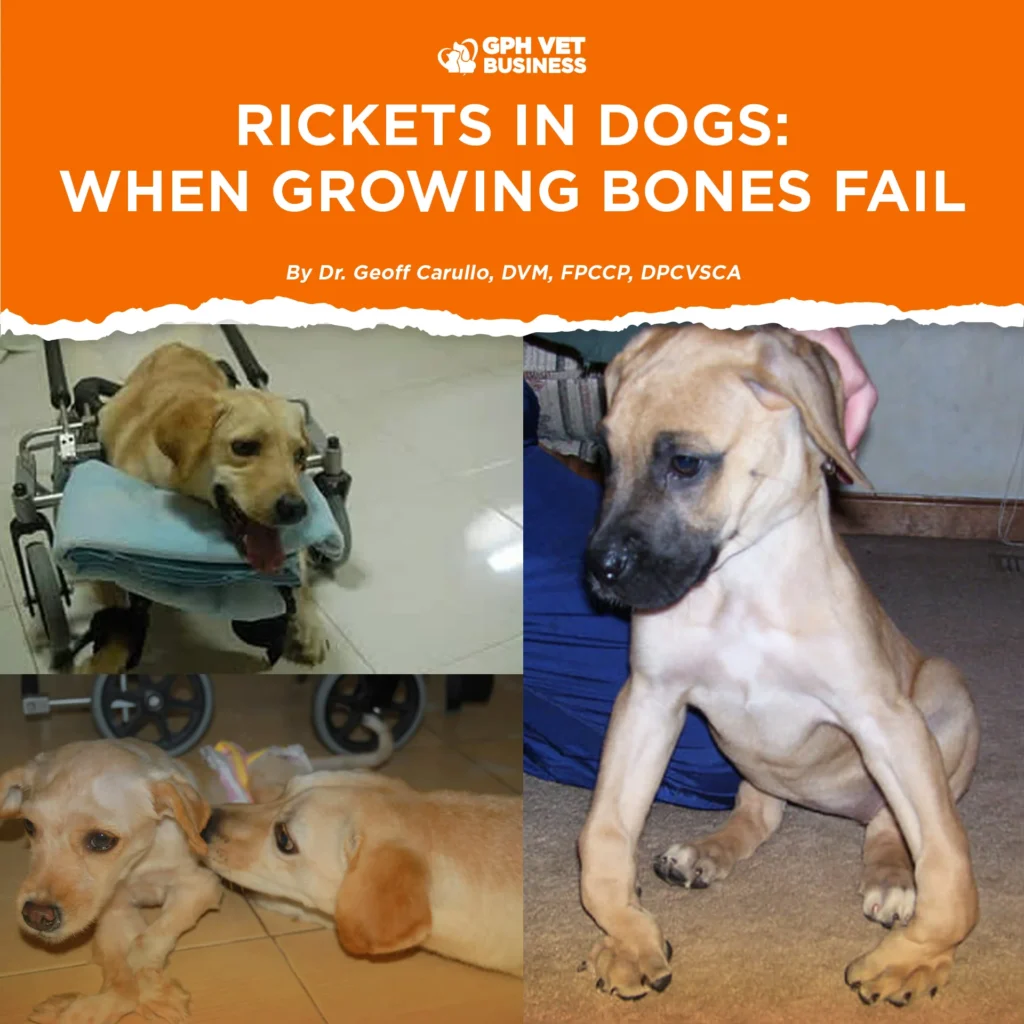
Rickets is a nutritional and metabolic bone disease of growing dogs, characterized by defective mineralization of bone and cartilage. While considered uncommon in well-managed practices, rickets still appears in real-world settings—especially in rescues, home-fed puppies, neglected litters, and chronically ill juveniles. When missed early, it leads to permanent skeletal deformities, pain, and lifelong mobility issues. […]
Babesiosis in Dogs: Clinical Pearls and Practical Treatment in the Philippine Setting

Babesiosis is commonly labeled as a tick-borne disease, but in clinical practice it behaves more like a chronic blood-borne infection with multiple transmission routes, including vertical transmission. Successful management depends on recognizing these realities and applying a practical treatment protocol using locally available drugs. ⚠️ Atovaquone is NOT readily available in the Philippines, so treatment […]
Veterinary Anesthesiologist vs. Anesthetist: What’s the Difference—and What Applies in the Philippines?

Anesthesia is one of the most critical—and least forgiving—areas of veterinary medicine. When complications arise, confusion often follows, especially around titles. Is the person handling anesthesia a veterinary anesthesiologist or an anesthetist? These terms are often used interchangeably, but they represent very different roles, particularly when viewed in the context of training, authority, and Philippine […]
Not Just Humans Get Acne: Understanding Acne in Cats and Dogs

When people hear the word acne, they immediately think of human skin—teenagers, hormones, and facial cleansers. What many pet owners (and even some new practitioners) don’t realize is this: Acne is not exclusive to humans. Cats and dogs get acne too. In veterinary practice, acne is a common, real, and often misunderstood condition that deserves […]