
International Pet Summit 2026: An Exhibitor’s Honest Perspective

Over the past few days, I’ve seen numerous comments about the International Pet Summit (IPS) 2026 held at the SMX Convention Center from July 24 to 26. Many described the event as overcrowded, with long queues, heavy foot traffic, and moments when visitors had to push their way through the crowd. Were those observations valid? […]
Opinion Is Not a Treatment Protocol : Why We Should Be Careful Before Calling Another Veterinarian’s Treatment “Wrong”
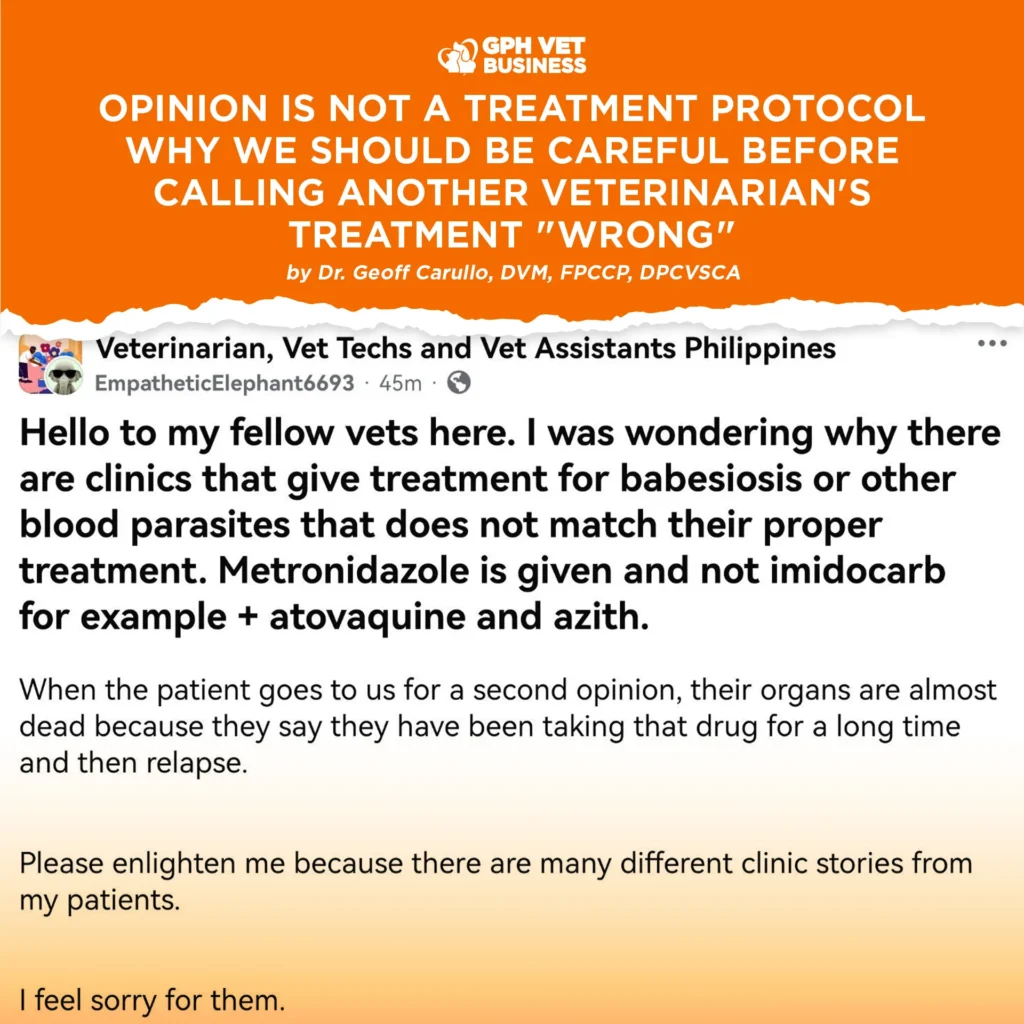
A recent anonymous post circulating in a veterinary Facebook group questioned why some clinics treat canine babesiosis with medications such as metronidazole instead of imidocarb dipropionate or atovaquone plus azithromycin. The post further suggested that these patients later seek second opinions with severe organ damage because they supposedly received the “wrong” treatment. It is a […]
Should Pets Be Welcome in Places of Worship? A Conversation Worth Having

A recent social media post has sparked discussion after a pet owner shared an experience of being asked to move seats during a church service because they brought along a quiet Shih Tzu. Whether one agrees or disagrees with the decision, the incident raises an important question: Can faith, compassion, and public courtesy coexist when […]
Are Dog DNA Tests Really Reliable?

Dog DNA tests have become increasingly popular. Many pet owners use them to discover their dog’s breed, while others hope to learn about possible inherited diseases or better understand their pet’s behavior. This naturally leads to an important question: Can we trust the results? In most cases, yes. Dog DNA tests from reputable companies are […]
The IRIS Kidney Workup: Machines, Tests, and Expected Findings
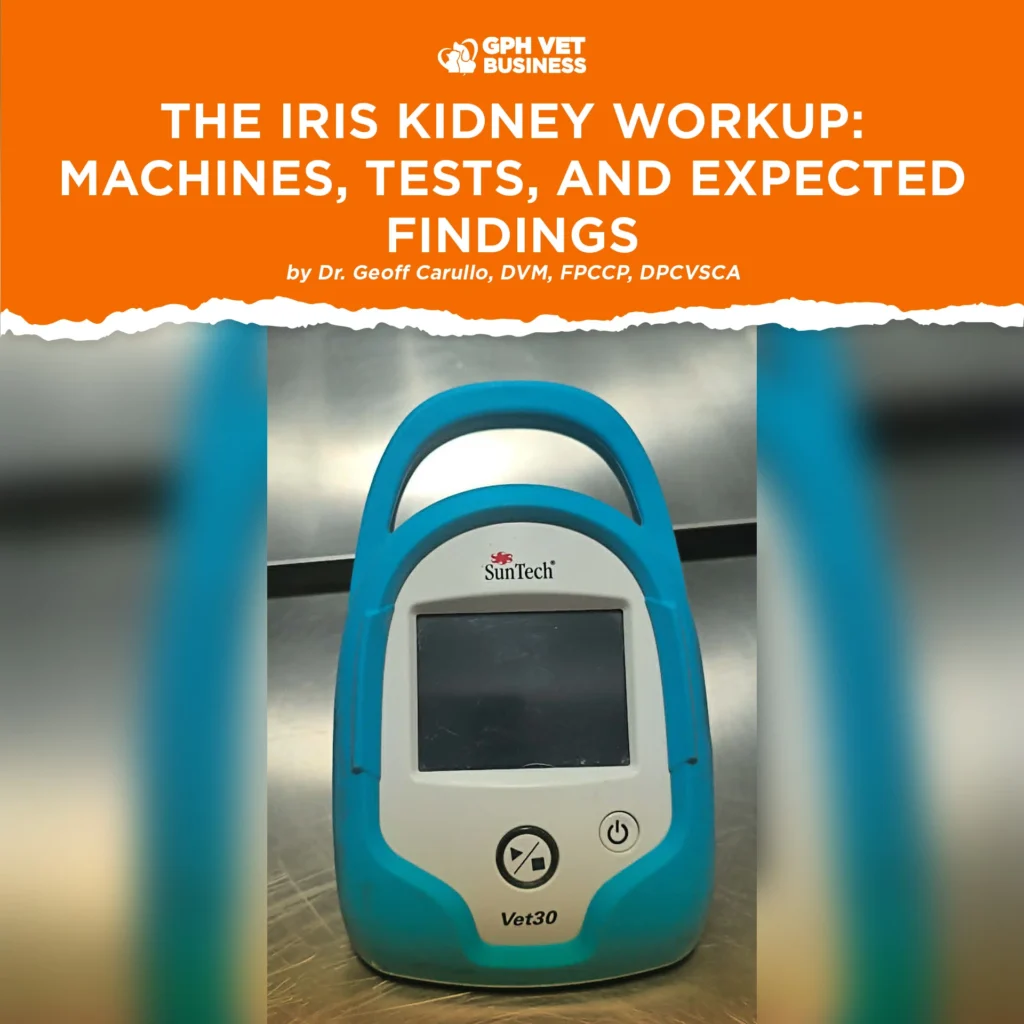
The IRIS guidelines make one thing clear: creatinine alone is not enough. A proper CKD workup requires several tests and machines working together. 1. Blood Pressure Monitor Test: Systolic blood pressure Expected IRIS interpretation: Below 140 mmHg: normotensive 140–159 mmHg: prehypertensive 160–179 mmHg: hypertensive 180 mmHg or higher: severely hypertensive Persistent hypertension increases the risk […]
When a Positive Distemper Test Meets a Negative PCR: Understanding Why Both Can Be Correct
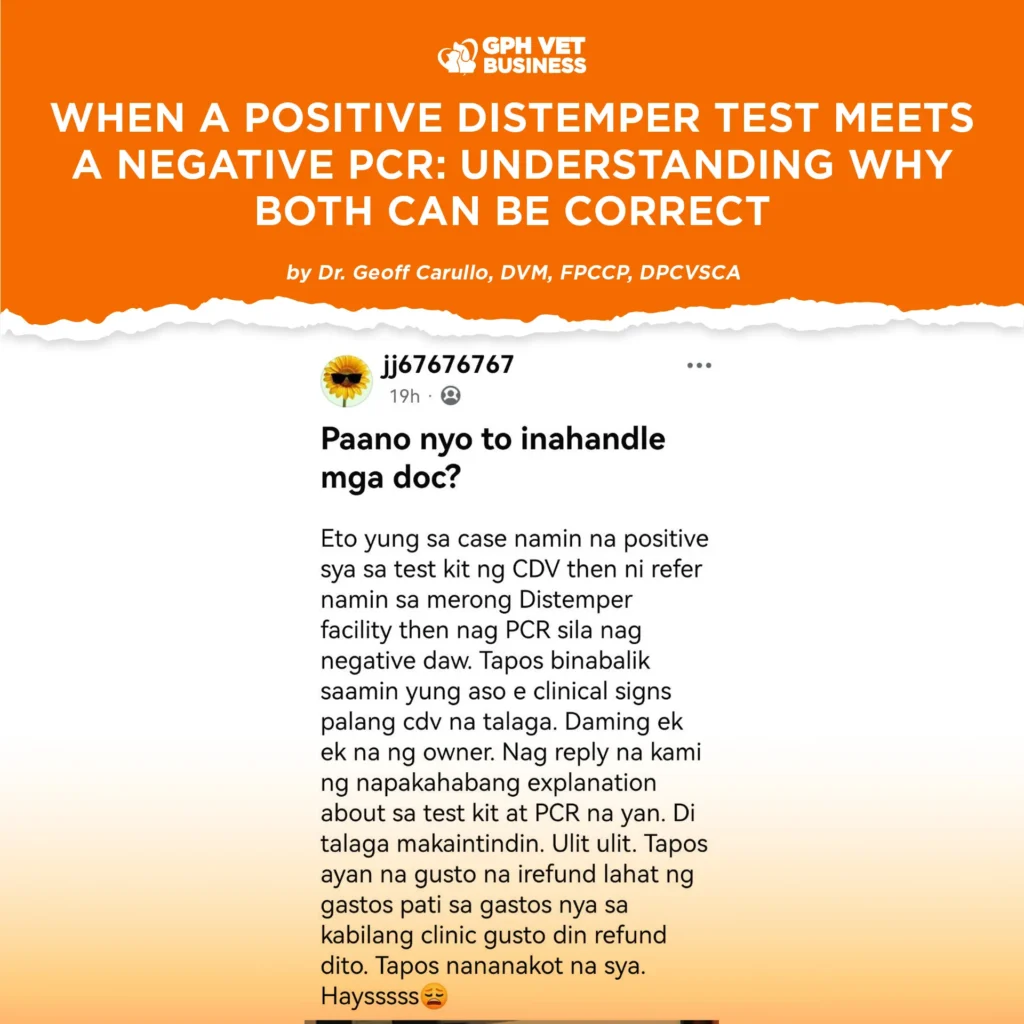
One of the most stressful situations for any veterinarian is receiving conflicting diagnostic results. A patient tests positive on a canine distemper rapid test, is referred to a specialty facility, then comes back with a negative PCR. The owner naturally asks: “So was the first test wrong?” Not necessarily. In fact, both results can be […]