
Financial ages of a veterinarian: What to focus on in every decade
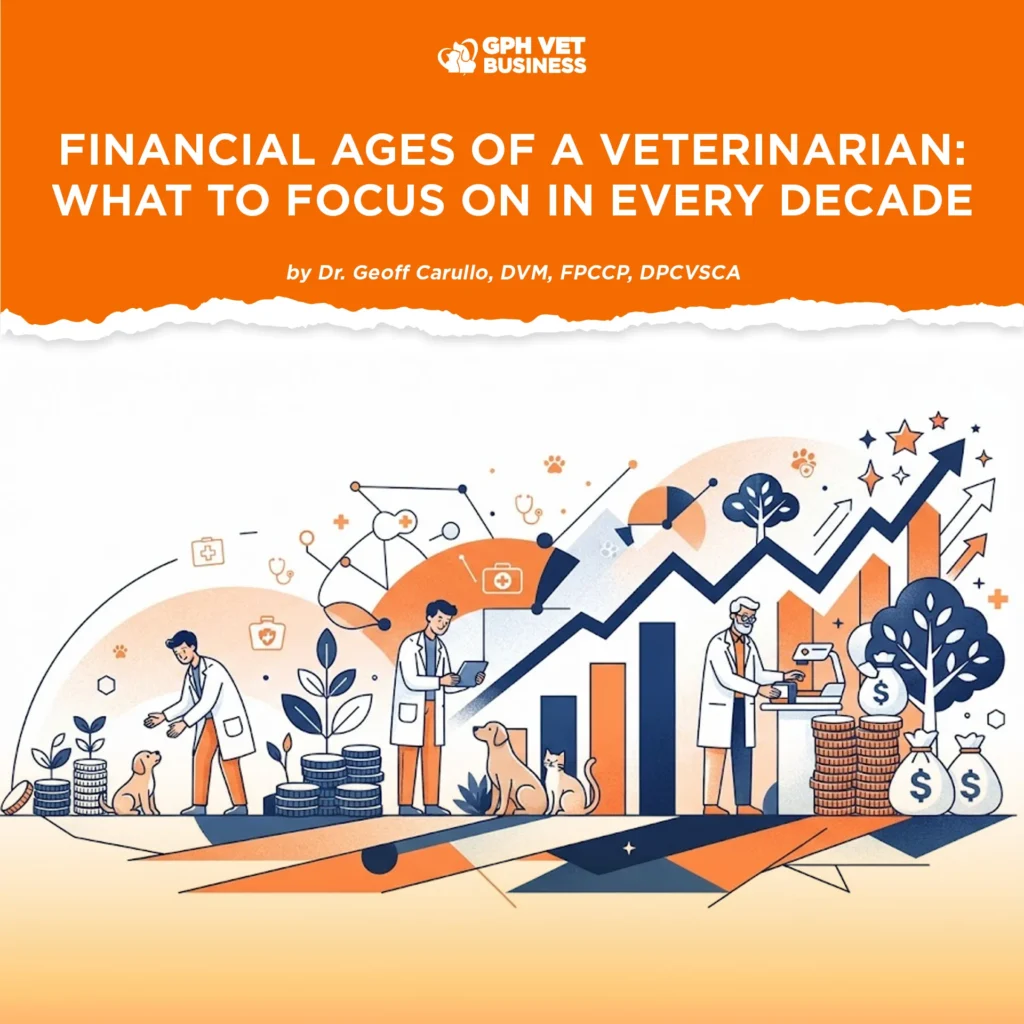
In Your 20s – Lay the Foundation for Your Vet Career Accept that your first job is more for learning than earning Start budgeting and track every peso – clinic salaries can be modest Build an emergency fund (3–6 months of expenses) Invest in skills: attend trainings, seminars, and certifications Start exploring side hustles like […]
7 types of veterinary income

A powerful framework for building multiple income streams for veterinarians 1. Earned Income Your primary source as a vet — salary or professional fees from consultations, surgeries, and house calls. 2. Profit Income Income from running your own clinic, pet boarding, grooming services, or selling veterinary products like pet food and preventives. 3. Interest Income […]
Why I chose not to open more clinic branches

People often ask me why I didn’t open more branches of my veterinary clinic. From the outside, it seems like the natural path—more branches mean more income, more visibility, and a bigger name in the community. But deep inside, I knew that life wasn’t for me. I’ve always been the kind of vet who worries […]
Advice to young veterinarians: Lessons I learned early
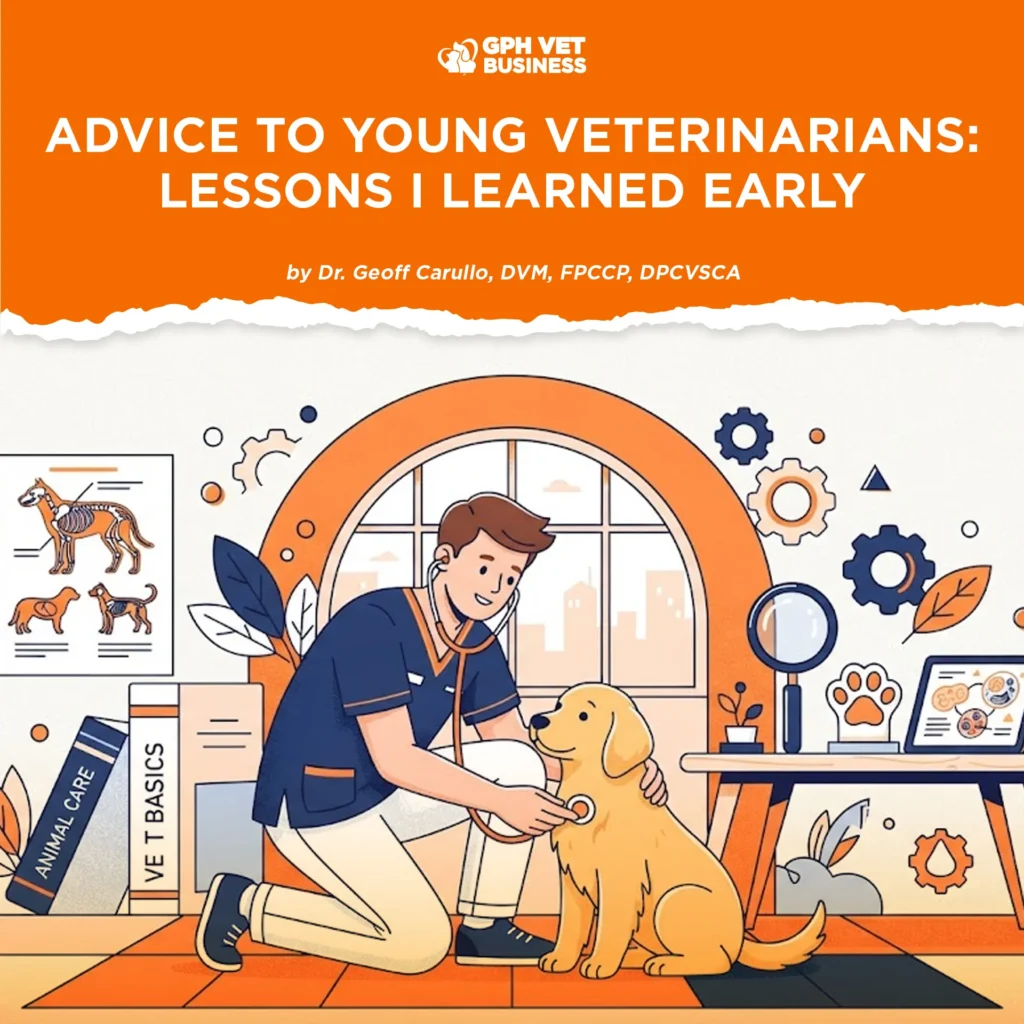
I was blessed to come from a family of veterinarians. My aunt, who is also a vet, became my first mentor. Being part of a family clan of vets meant that my foundation in this profession was built not just in school, but in the clinic, surrounded by people who lived and breathed veterinary medicine. […]
Mastering IV cannula selection in veterinary practice
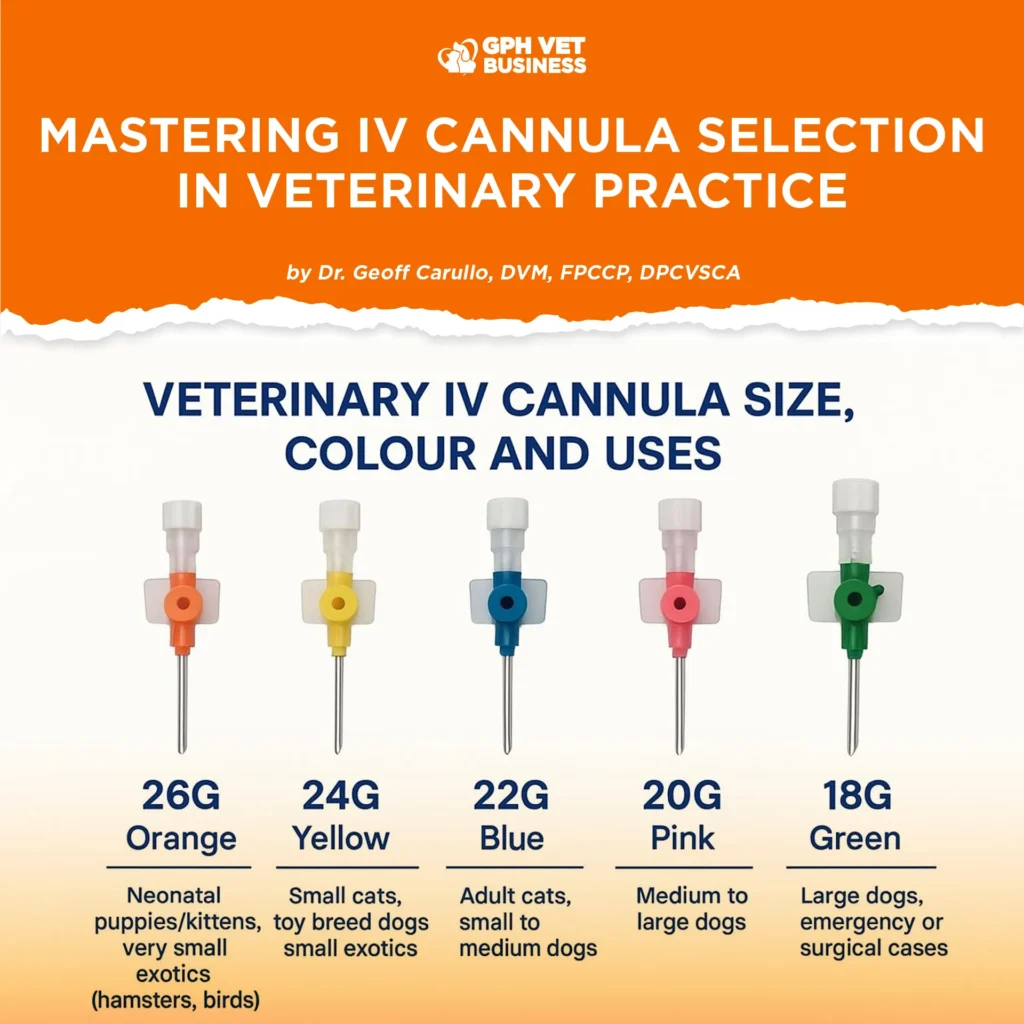
In veterinary practice, choosing the right IV cannula can make all the difference—especially in emergencies or critical care. From tiny neonates to giant breeds, the right size ensures safe fluid therapy, smooth medication administration, and life-saving interventions. Here’s a vet-focused guide to IV cannula sizes, colors, and when to use them: 26G – Orange Best […]
Understanding intervertebral disc disease (IVDD) in pets
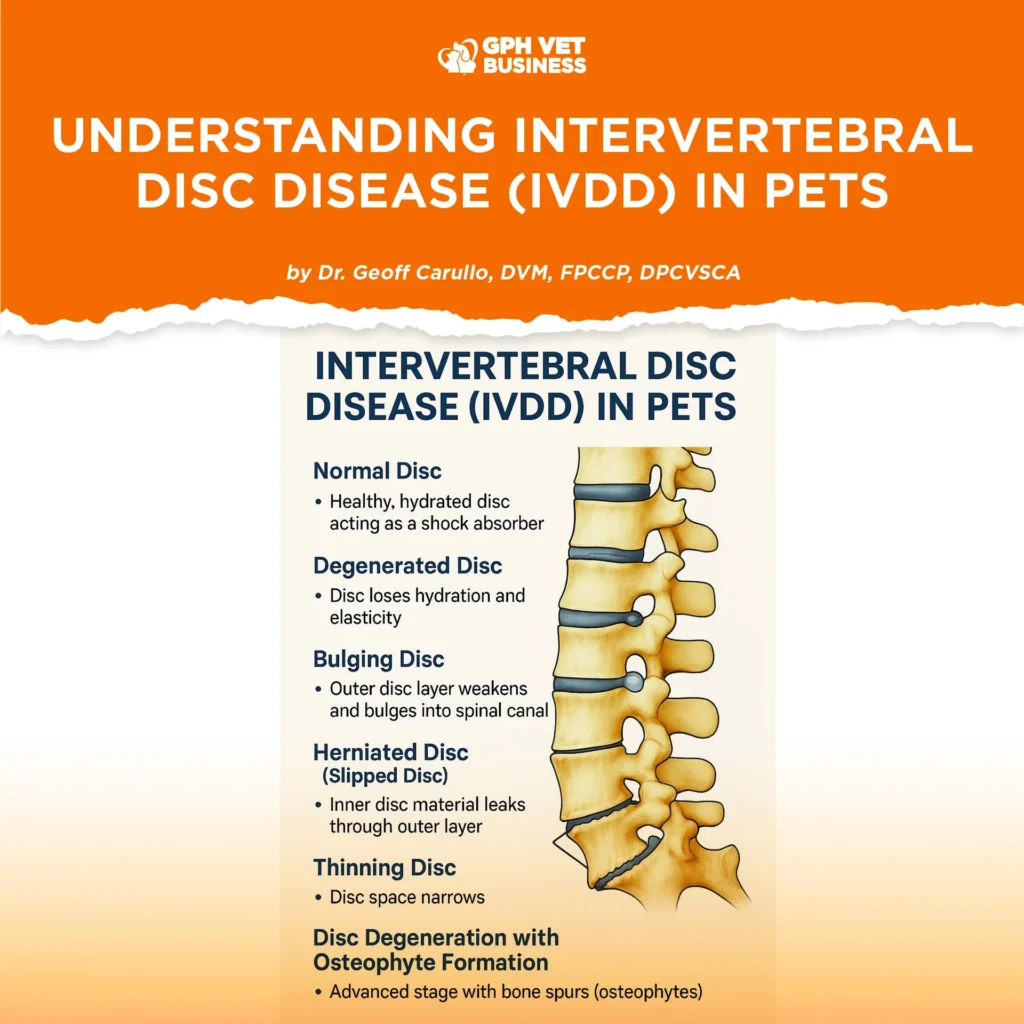
Back problems are not just a human concern—dogs and cats can suffer from spinal disc issues too, especially chondrodystrophic breeds like Dachshunds, Shih Tzus, Beagles, and Corgis. The intervertebral discs act like cushions between the vertebrae of the spine. Over time or due to trauma, these discs can degenerate, leading to pain, nerve compression, and […]