The New “Lab Assistant” You Can’t See
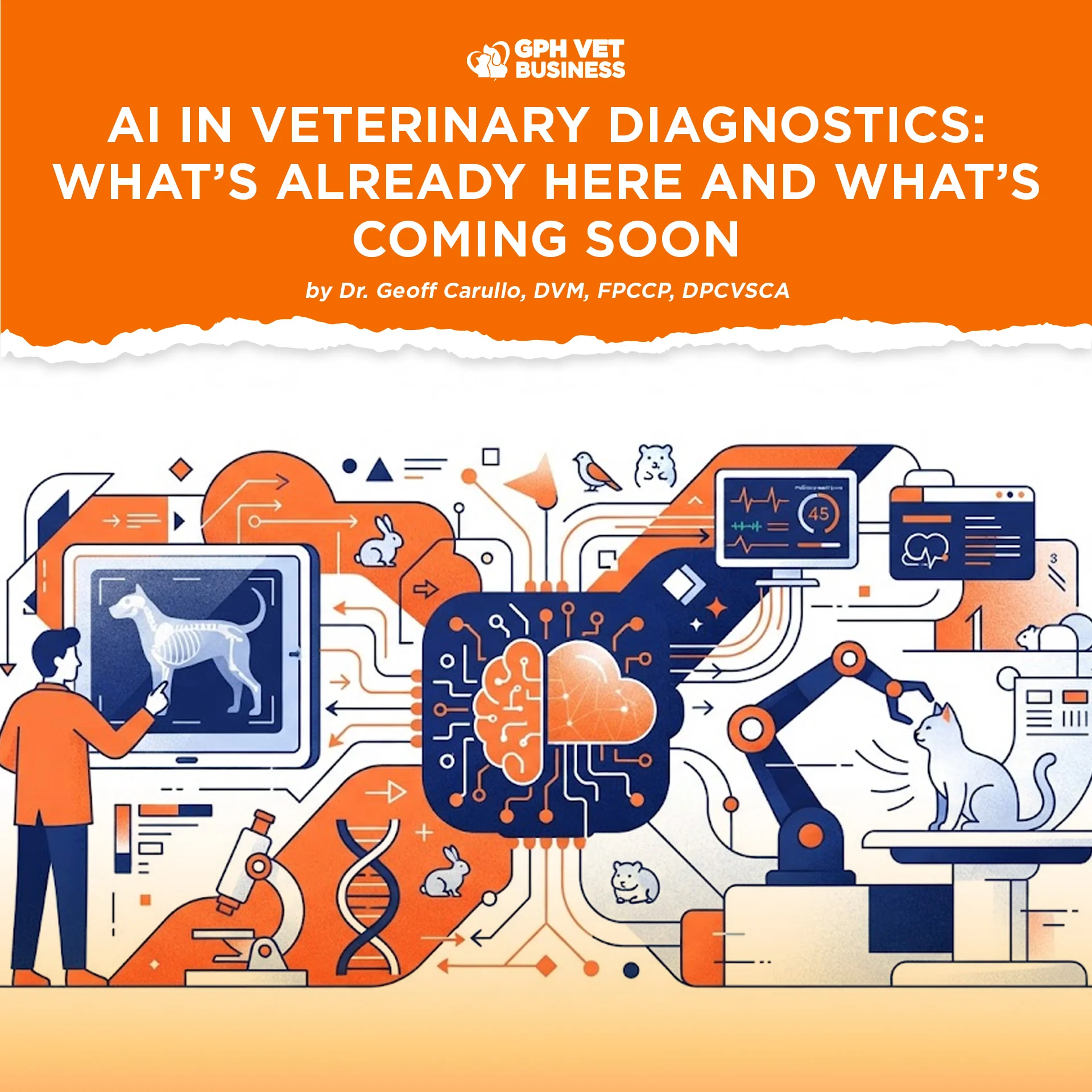
Imagine a stool sample being scanned under a digital microscope. Within minutes, an algorithm highlights parasite eggs with 95% accuracy. No tired eyes, no missed fields, no rush. This isn’t the future—it’s happening now with artificial intelligence (AI) in veterinary diagnostics.


Where AI Is Already Helping Vets
AI tools are no longer confined to tech expos—they’re quietly entering clinics and labs:
- Digital Fecal Exams – AI-powered image recognition systems can detect parasite eggs and oocysts in stool samples faster than manual technicians.
- Radiology Support – Machine learning algorithms analyze X-rays for subtle changes in lungs, bones, or joints that may escape human detection.
- Dermatology Apps – Some platforms allow vets to upload images of skin lesions, with AI suggesting differential diagnoses.
- Blood Smear Analysis – Automated cell counters using AI can flag abnormal cells for further manual review.
Benefits for Daily Practice
- Consistency – AI doesn’t get tired or overlook small details.
- Speed – Results can be generated within minutes, expediting treatment decisions.
- Accessibility – Small clinics without specialist pathologists can still benefit from advanced interpretation.
- Learning Tool – Young veterinarians can compare their interpretations with AI outputs to sharpen skills.


Limitations and Ethical Concerns
- Not a Replacement – AI provides support, but ultimate diagnosis and responsibility still rest with the veterinarian.
- Data Quality Issues – Garbage in, garbage out: poor sample prep or imaging will still lead to poor AI results.
- Cost & Access – Subscription fees or hardware requirements may limit adoption in developing veterinary markets.
- Privacy – Digital medical data must be securely handled to protect clients and clinics.
What’s Coming Soon
The next wave of AI in veterinary diagnostics may include:
- Predictive Analytics – Systems that forecast disease risk based on patient data and lifestyle.
- Real-Time Telemedicine AI – Live consultations where AI supports vets with on-the-spot suggestions.
- Integrated Practice Management – AI linking diagnostics, patient history, and treatment outcomes to guide smarter clinical decisions.

Clinical Pearl
AI is a tool, not a competitor. Just as ultrasound didn’t replace radiologists, AI won’t replace vets—it will augment us. The vet who embraces it gains sharper vision; the vet who resists risks falling behind.
Closing Reflection
Veterinary medicine is at a crossroads. We can either fear AI as a disruption or harness it as an ally. In the end, AI won’t take away the heart of veterinary practice—our empathy, judgment, and connection with clients. What it will do is give us more time to focus on them.
Dr. Geoff Carullo is a Fellow and the current President of the Philippine College of Canine Practitioners.
Sharing this helps others understand what it really means to be a vet. Like and follow if you’re with us.