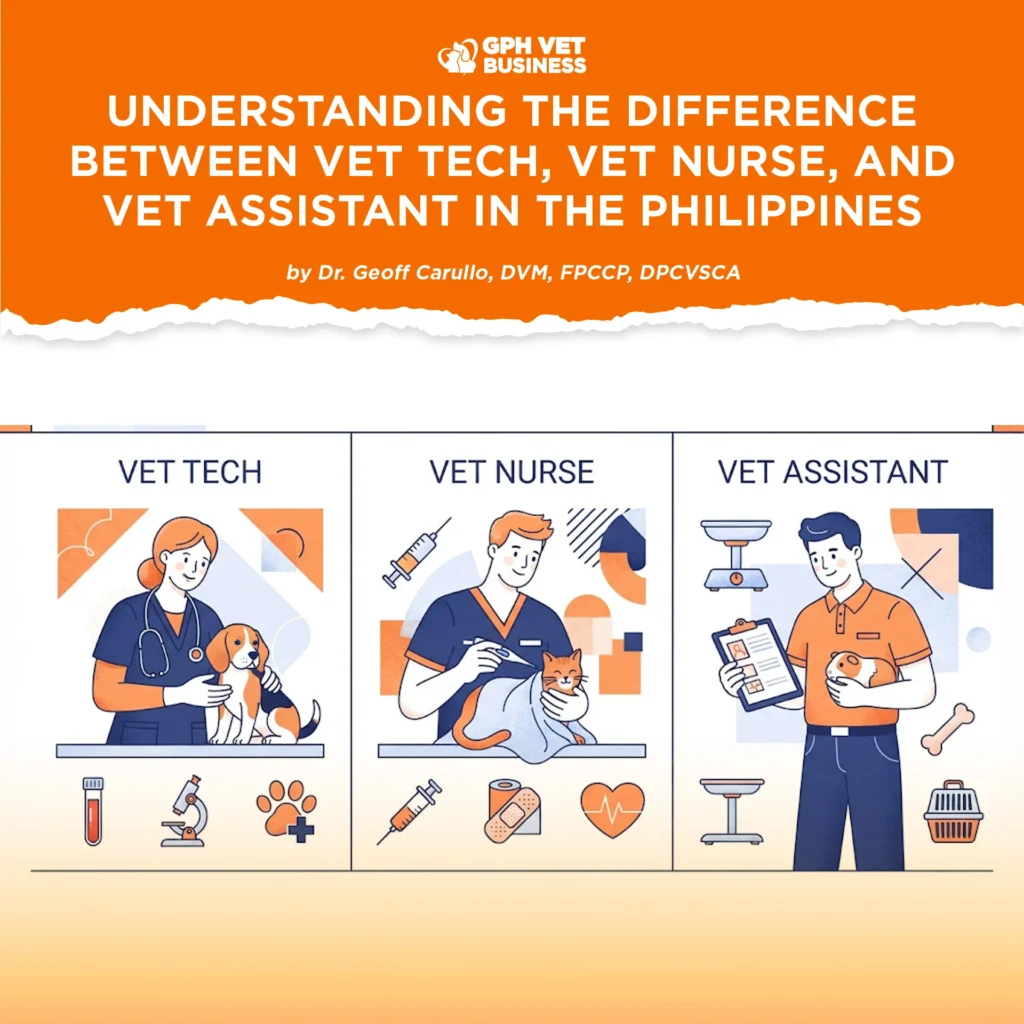
In veterinary clinics and hospitals across the Philippines, you’ll often hear terms like vet tech, vet nurse, and vet assistant used interchangeably. But are they really the same? While the...
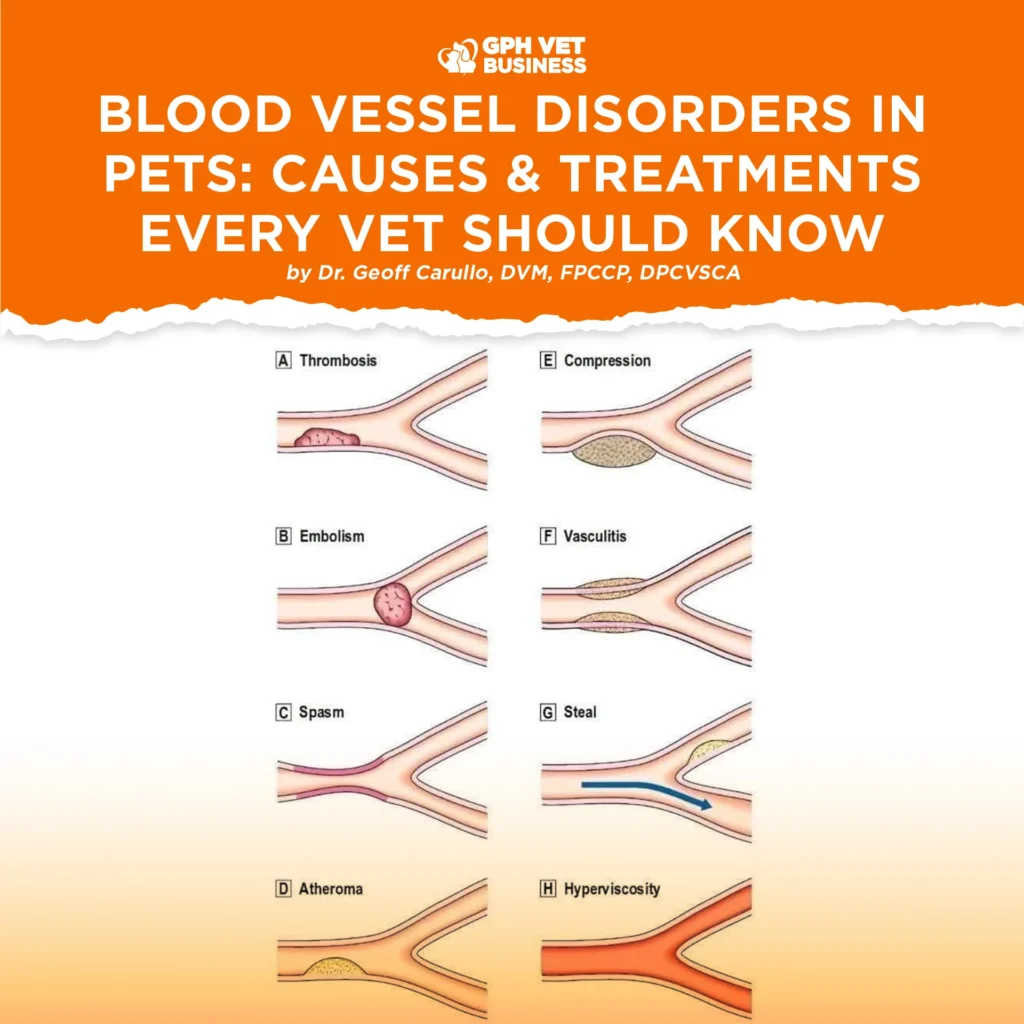
Blood vessel disorders in dogs and cats can disrupt normal circulation, cause tissue damage, and, if not addressed quickly, lead to life-threatening complications. Early recognition and prompt intervention are critical...
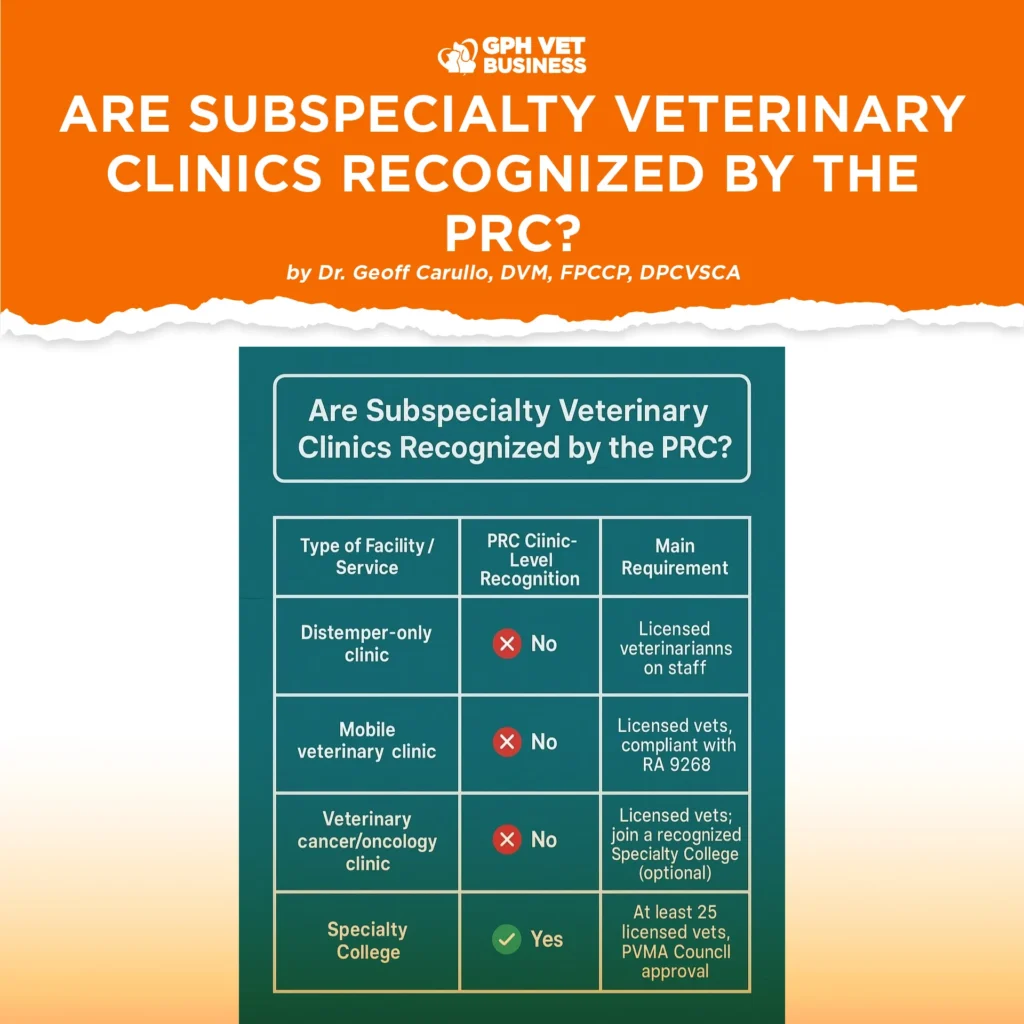
In recent years, veterinary practice in the Philippines has seen the rise of subspecialty clinics — facilities focusing on very specific areas like distemper treatment centers, mobile veterinary services, or...
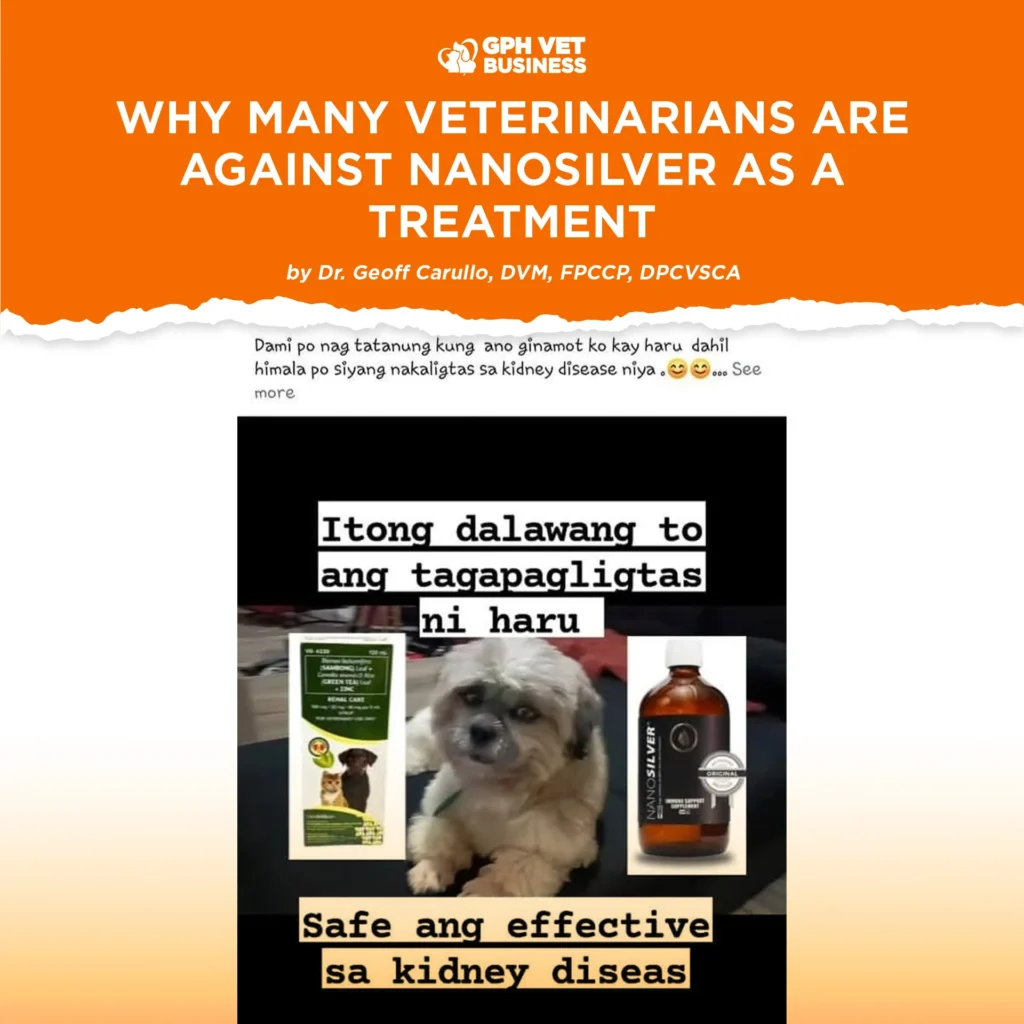
In the ever-evolving landscape of veterinary medicine, new products often arrive with promises of revolutionizing care. One such contender is nanosilver — tiny particles of silver measured in nanometers, marketed...
In many Filipino homes, Friday is monggo day. Families gather around the table for this hearty, comforting dish — and pet parents often wonder if their dogs can join...
When it comes to guilty pleasures, chocolate is near the top for humans. But for our canine companions, this sweet treat can be life-threatening. Veterinarians have long warned pet owners...