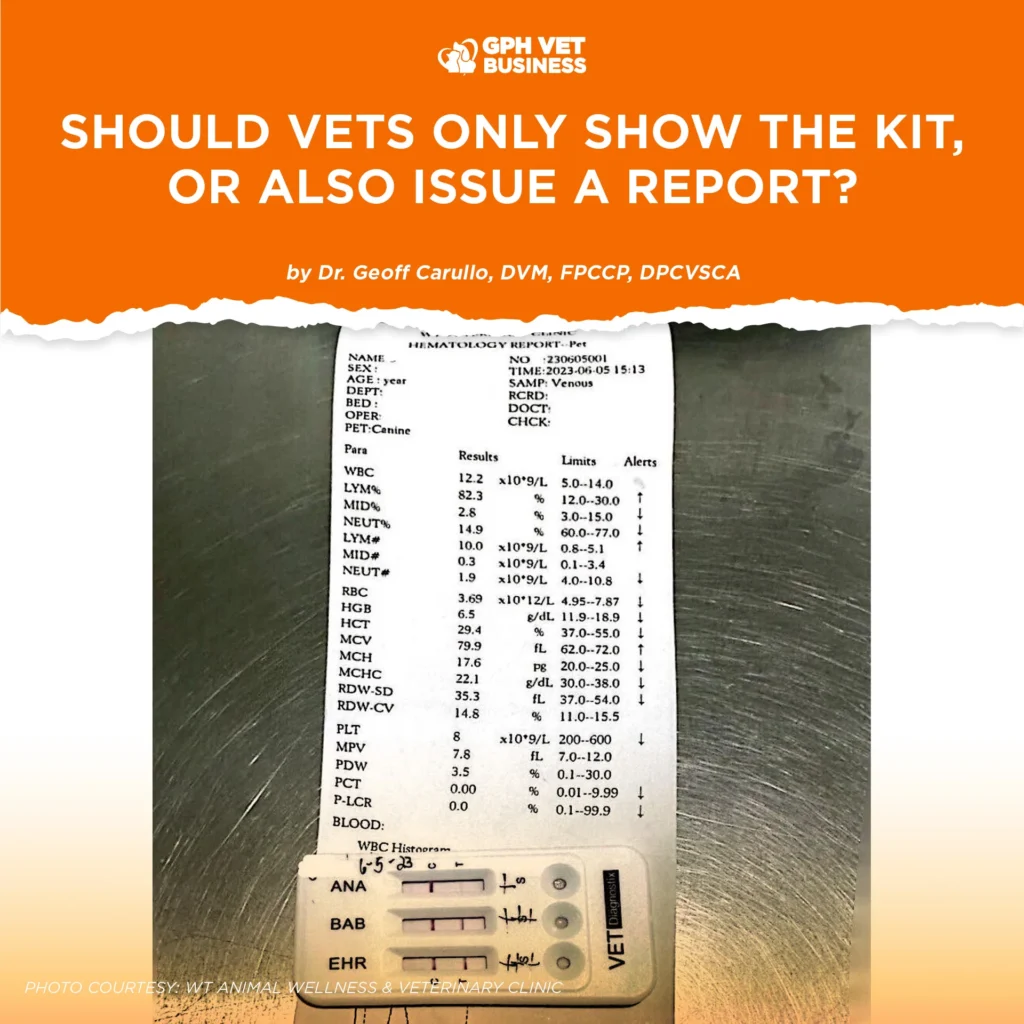
In human medicine, lateral flow tests—like COVID-19 antigen, dengue NS1, or HIV rapid kits—are not shown directly to patients. Instead, results are officially released on paper. The reason is simple:...
In the field of veterinary medicine, every consultation, every surgery, and every late-night emergency comes from a place of love—for animals, for their families, and for the profession we’ve dedicated...
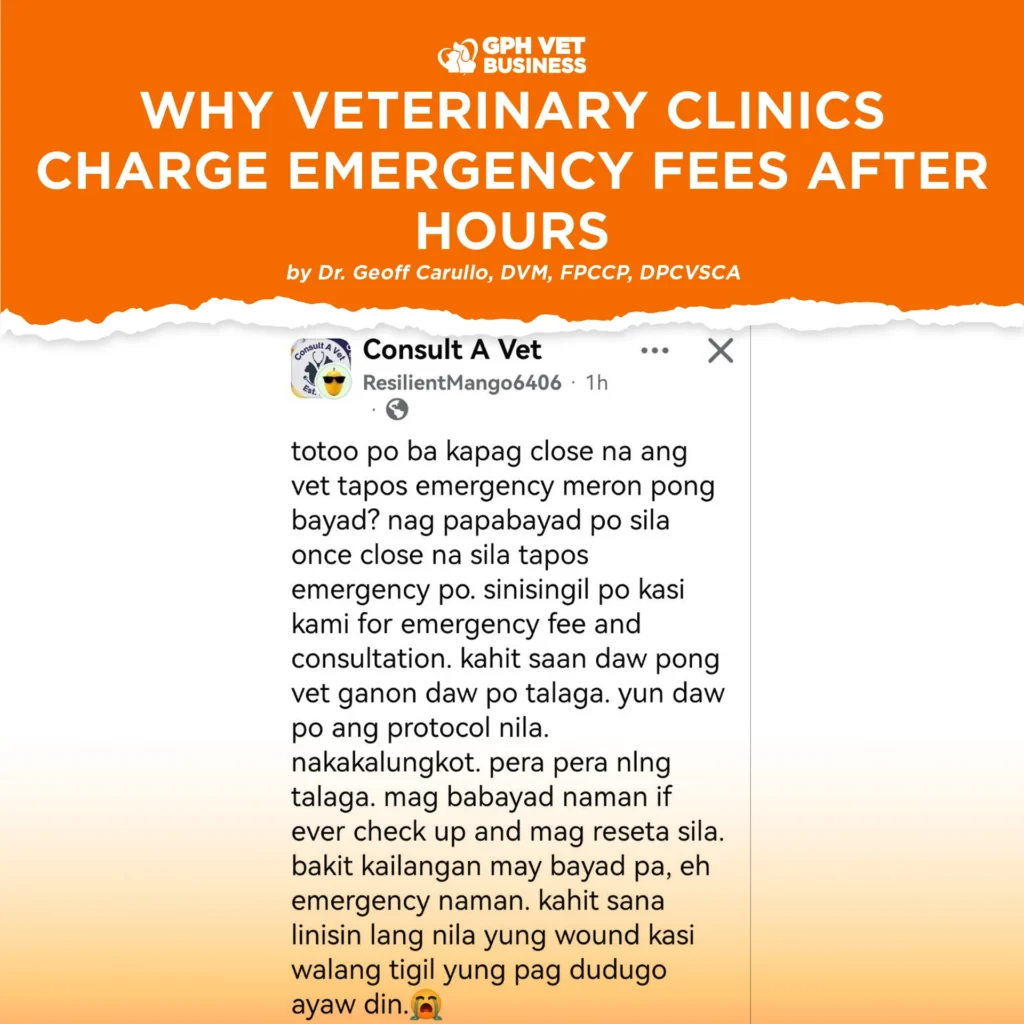
A pet owner recently asked why a veterinary clinic charged both a consultation fee and an emergency fee when the clinic was already closed. The concern is understandable. When your...
For every new veterinarian, that first job after passing the board exam will shape your career more than you think. The clinic or hospital you choose, and the mentor who...
The Philippine Savers and Investors Guide recently shared an income matrix categorizing Filipinos based on their monthly and annual earnings in 2025: Poor: ₱10,000/month Lower Middle Class: ₱20,000/month Middle Class:...
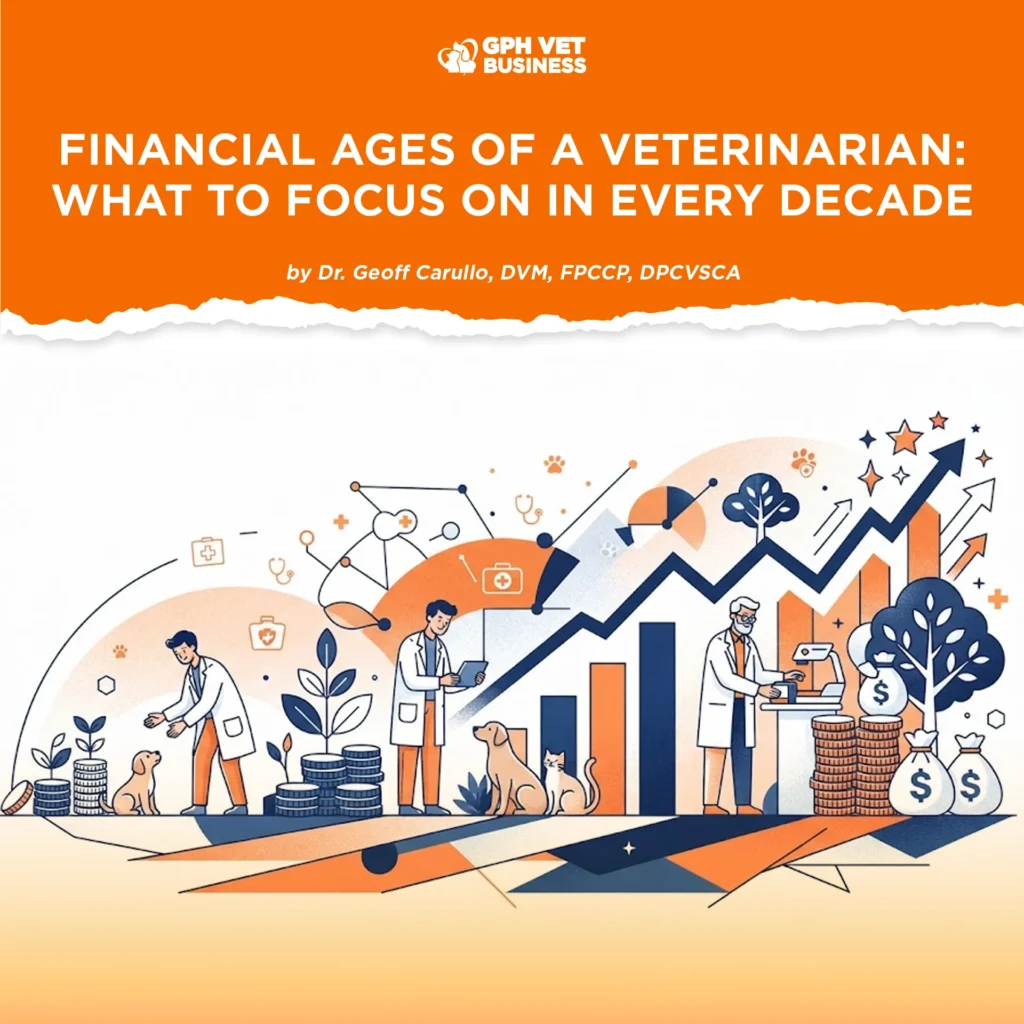
In Your 20s – Lay the Foundation for Your Vet Career Accept that your first job is more for learning than earning Start budgeting and track every peso – clinic...