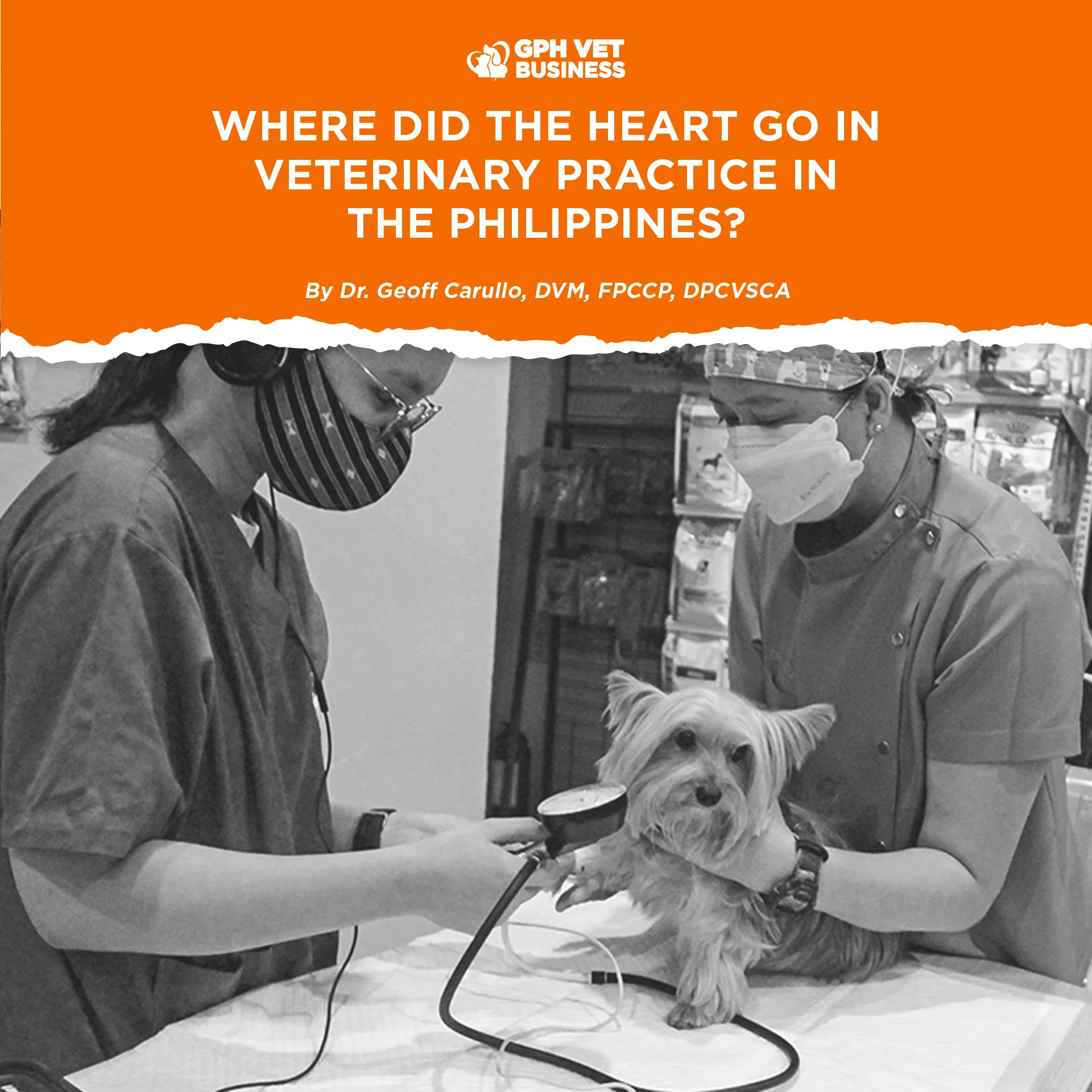
There was a time in the Philippines when veterinary practice felt deeply personal. Families went to their veterinarian, not just “a clinic.” The vet knew the family, the pet’s history, the struggles, and the victories. Trust was built slowly—through presence, consistency, and compassion.
Today, many vets and pet owners are quietly asking:
“Why does veterinary care feel different now? Where did the heart go?”
Across the country, new clinics are opening everywhere. Some are excellent, ethical, and committed to proper medicine. But others exist mainly because someone saw profit, not responsibility. This shift has changed the culture of veterinary practice more than we realize.
-
The Business of Pets — and Its Consequences
The pet industry in the Philippines has grown rapidly. Pet food, grooming, boarding, accessories, and veterinary services have become a booming market. With growth came opportunity—and with opportunity came people who said:
“Pets are popular. Let’s open a clinic.”
Some are not veterinarians.
Some simply “love animals.”
Some see veterinary practice as another retail business.
Legally, only licensed veterinarians can diagnose, prescribe, and perform surgery. However, clinic ownership structures are often left in gray areas, creating situations where:
- A non-vet finances the clinic
- A veterinarian is hired mainly to sign and consult
- Business decisions overshadow medical decisions
When profits come first, priorities quietly shift:
- Pricing becomes inconsistent
- Services become rushed
- Standards become negotiable
And when something goes wrong, the entire profession gets blamed, even those who practice ethically.
-
The Collapse of “Personal Vet” Culture
In many areas, pet owners rarely have one consistent veterinarian. They see whoever is on duty. This leads to:
- No long-term patient relationship
- No deep understanding of the pet’s medical history
- No emotional continuity between vet and family
Veterinary work begins to feel like fast-food service:
“Next patient. Next case. Next bill.”
But medicine—especially animal medicine—does not thrive in rushed environments. Compassion needs time. Trust needs conversation. Proper diagnosis needs patience. When these disappear, the heart disappears with them.
-
Pressure on Veterinarians Themselves
Many Filipino veterinarians entered the profession with passion. Then reality arrived:
- Long hours
- High expectations from pet owners
- Online criticism and blame
- Pressure from business owners to meet targets
Some vets are pushed to:
- Work beyond exhaustion
- Handle too many cases per day
- Follow pricing structures they did not create
- “Sell” instead of educate
Over time, emotional fatigue sets in. To survive, vets sometimes protect themselves by becoming more mechanical, less expressive, and less emotionally exposed.
Clients may say:
“Parang wala nang puso si Doc.”
But the truth is often deeper. The heart is not gone.
It is tired.
It is guarded.
It is trying to survive.
-
When Non-Veterinarians Influence Veterinary Decisions
This is one of the most dangerous trends.
When people without medical training influence:
- Diagnosis
- Treatment choices
- Cost decisions
- Staffing
- Case-handling policies
the priority slowly shifts from:
“What is best for the patient?”
to
“What is best for revenue?”
Veterinary medicine is not retail.
A pet is not a product.
A consultation is not a sales pitch.
When business people lead medical choices, quality becomes unpredictable, and trust is destroyed.
-
Where Do We Go From Here?
We cannot turn back time. Growth will continue. More clinics will open. More investors will appear. But we can protect the heart of the profession.
For Veterinarians
- Stand your ground on ethical standards
- Do not allow non-vets to dictate medical decisions
- Continue educating pet owners kindly and clearly
- Build your personal reputation through integrity
For Clinic Owners (Including Non-Vets)
- Be transparent about your role
- Let veterinarians fully lead medical matters
- Invest in training, equipment, and fair systems
- Do not treat vets as replaceable employees
For Pet Owners
- Ask who the head veterinarian is
- Ask about qualifications, standards, and experience
- Support clinics where vets explain, listen, and care
- Choose not only based on price, but based on trust
The Heart Is Still Here — But It Needs Protection
The heart of veterinary medicine in the Philippines is not lost. It still lives in:
- The vet who explains carefully instead of rushing
- The clinic that refuses shortcuts
- The practitioner who chooses safety over profit
- The families who trust vets and treat them with respect
If we want veterinary medicine in the Philippines to keep its heart, we must protect the values that made it meaningful:
Compassion. Honesty. Responsibility. Respect.
Because pets do not need businessmen in white coats.
They need real veterinarians.
Sharing this helps others understand what it really means to be a vet.
Like and follow if you’re with us.