
Tawa-Tawa in Veterinary Thrombocytopenia: Science Beyond the Hype

Thrombocytopenia in veterinary practice is one of those conditions that immediately changes the direction of a case. Once platelet counts begin to fall, every move becomes critical. Timing matters. Decisions matter. And somewhere in that process, a client will ask: “Doc, pwede po ba tawa-tawa?” Tawa-tawa, or Euphorbia hirta, has gained a reputation for increasing […]
Why TVT Is Contagious: The Strange Cancer That Spreads Between Dogs

In veterinary medicine, most cancers behave the same way. They grow inside one patient and stay there. But canine transmissible venereal tumor (TVT) breaks that rule completely. TVT is one of the very few cancers in the world that is contagious. Not because of bacteria. Not because of viruses. But because the cancer cells themselves […]
What Really Causes Canine Pyometra?

Pyometra is one of the most common and life-threatening reproductive diseases in intact female dogs. Almost every small animal veterinarian eventually encounters it. Yet many pet owners think it is simply a random uterine infection. The truth is more complex. Pyometra is not caused by bacteria alone. It develops through a combination of hormonal influence, […]
Why Doxycycline Is Almost Always Included in Blood Parasite Treatment in Dogs
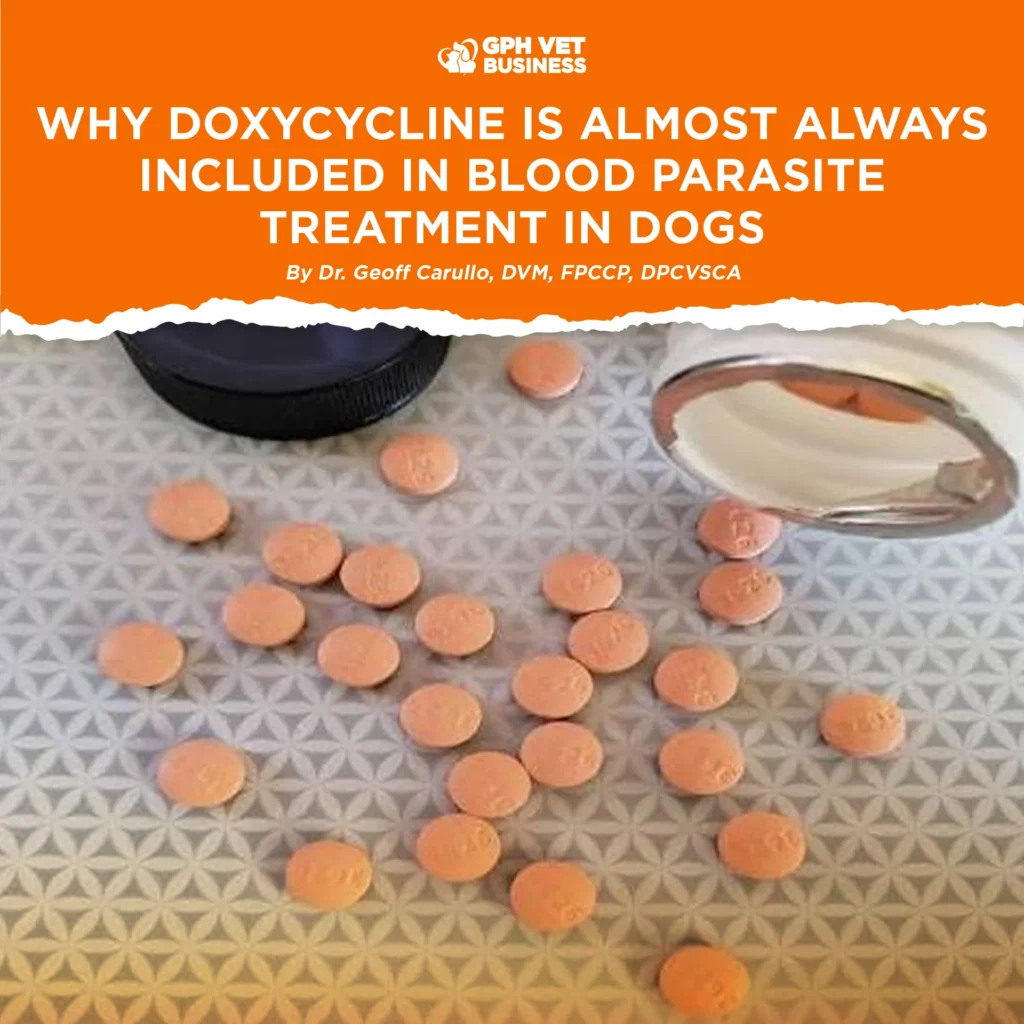
In small animal practice, when a dog comes in with blood parasitism, especially diseases like ehrlichiosis or babesiosis, many veterinarians automatically include doxycycline in the treatment protocol. A common question arises: Why give doxycycline if babesiosis is a protozoal parasite and doxycycline is an antibiotic? The answer lies in how tick-borne diseases behave in real […]
Why Is Metronidazole Commonly Added to Canine Babesiosis Treatment?

In many veterinary clinics, when a dog is diagnosed with babesiosis, the treatment plan often includes metronidazole. This observation raises an important question among veterinarians: Why is metronidazole frequently included in the protocol when treating canine babesiosis? The first thing that needs to be clarified is that metronidazole is not a primary anti-Babesia drug. The […]
When Vaccination Triggers a Positive Parvo Test: Understanding Vaccine Types and Brands
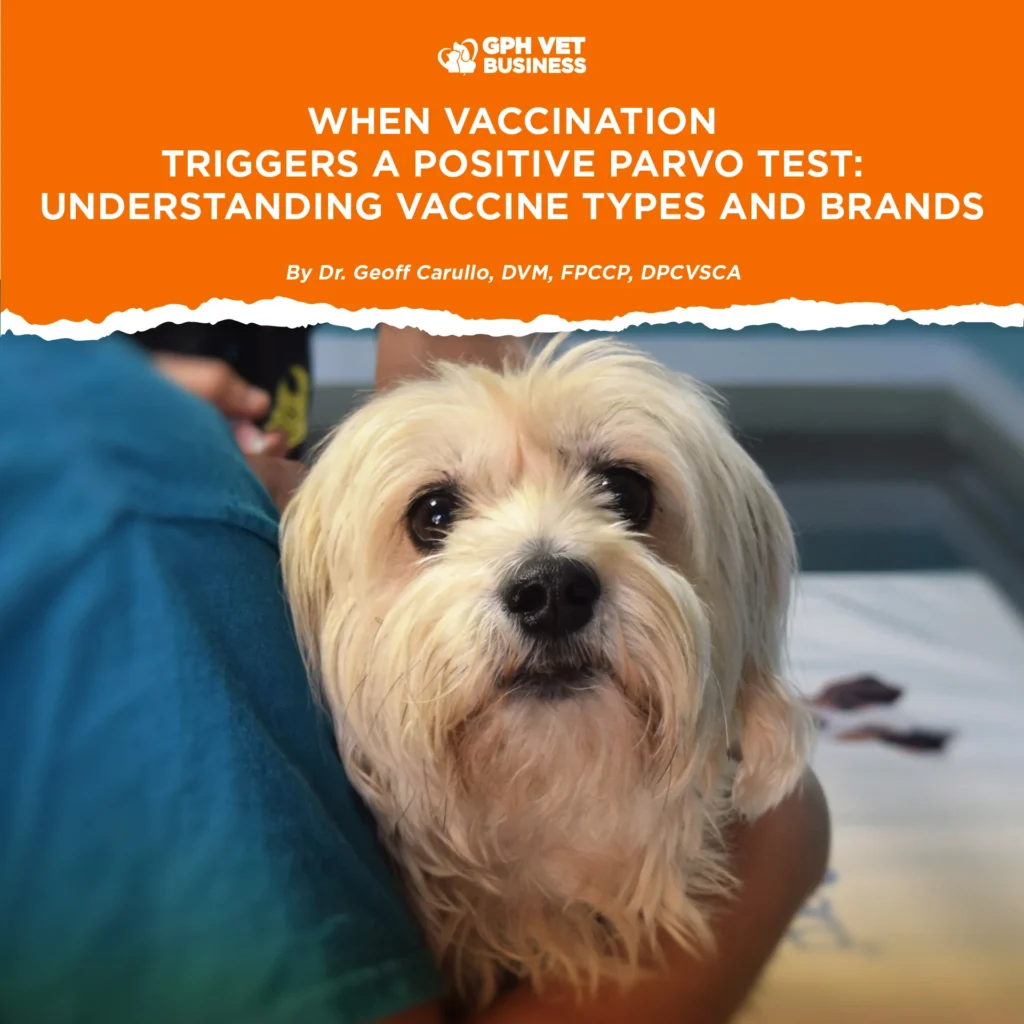
In small animal practice, a confusing situation sometimes occurs: a puppy tests positive on a canine parvovirus lateral flow antigen test, yet the dog appears clinically normal and was recently vaccinated with a DHLPPi vaccine. This raises an important clinical question: Is the puppy truly infected, or could the vaccine itself influence the test result? […]