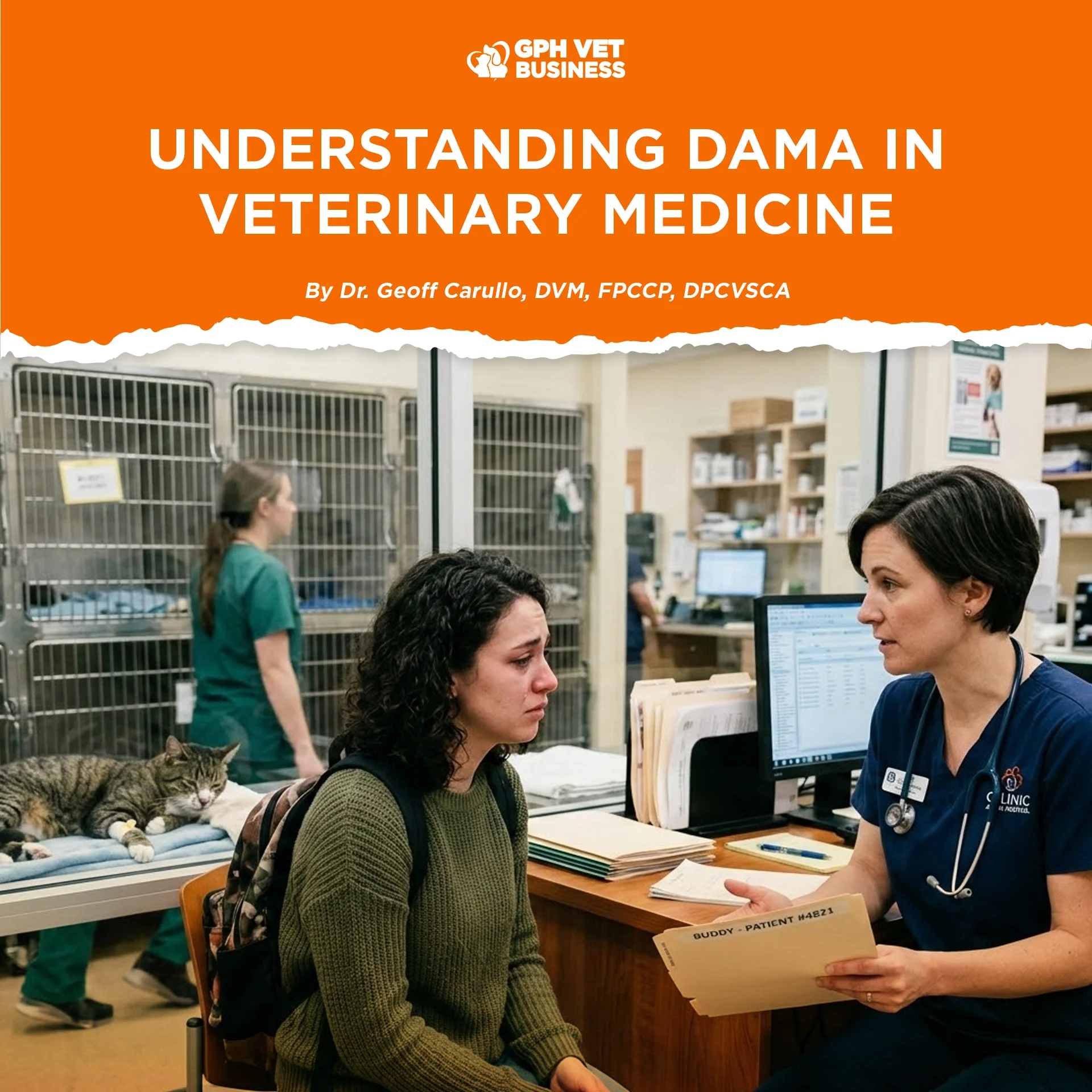
In practice, there are times when a patient is still under treatment or monitoring, but the owner decides to take the animal home before the veterinarian recommends discharge. This is what we call DAMA: Discharged Against Medical Advice.
It is a term used in both human and veterinary medicine. Simply put, DAMA happens when the veterinarian advises continued confinement or treatment, but the owner chooses to remove the patient despite that recommendation.
Why Does DAMA Happen?
It happens more often than many realize. Owners make this decision for different reasons:
- Financial limitations. Hospitalization and treatment can be costly, and some owners feel they cannot continue.
- Emotional distress. Seeing their pet confined or weak can be overwhelming, and they believe the pet will be more comfortable at home.
- Personal beliefs or alternative plans. Some turn to home remedies, seek a second opinion, or transfer to another clinic.
- Misunderstanding of the condition. Owners may not fully grasp the severity of the illness or the risks of early discharge.
Why DAMA Matters
For veterinarians, DAMA is not just a discharge. It carries medical and legal weight.
When a patient leaves against advice:
- The pet may deteriorate without proper monitoring.
- Critical treatments may be interrupted.
- Complications may arise outside the clinic.
- The veterinarian loses the ability to manage the case properly.
This is why documentation is essential.
The DAMA Form
Most clinics use a DAMA waiver. It states that:
- The veterinarian explained the condition.
- Recommended treatments or hospitalization were discussed.
- The owner understands the risks.
- The owner voluntarily chooses to remove the pet.
Signed by the owner and witnessed by staff, this protects both sides. It shows the veterinarian gave proper advice, and it confirms the owner made the decision despite that advice.
Communication First
Before it reaches the point of DAMA, communication is the most powerful tool. Owners should be calmly informed about:
- The diagnosis or suspected condition
- The recommended treatment plan
- The risks of stopping early
- The possible outcomes if the pet is taken home
Many times, once risks are explained clearly, owners reconsider.
Compassion and Professionalism
DAMA reminds us that veterinary medicine is never practiced in isolation. Every decision involves the owner’s emotions, finances, beliefs, and circumstances.
Our role is to educate, advise, document, and remain professional, even when the owner chooses differently.
Because at the end of the day, our duty is the same: to advocate for the welfare of the animal, while respecting the realities of the people who care for them.
Dr. Geoff Carullo is a Fellow and the current President of the Philippine College of Canine Practitioners.
Sharing this helps others understand what it really means to be a vet. If you found this valuable, like and follow for more insights.