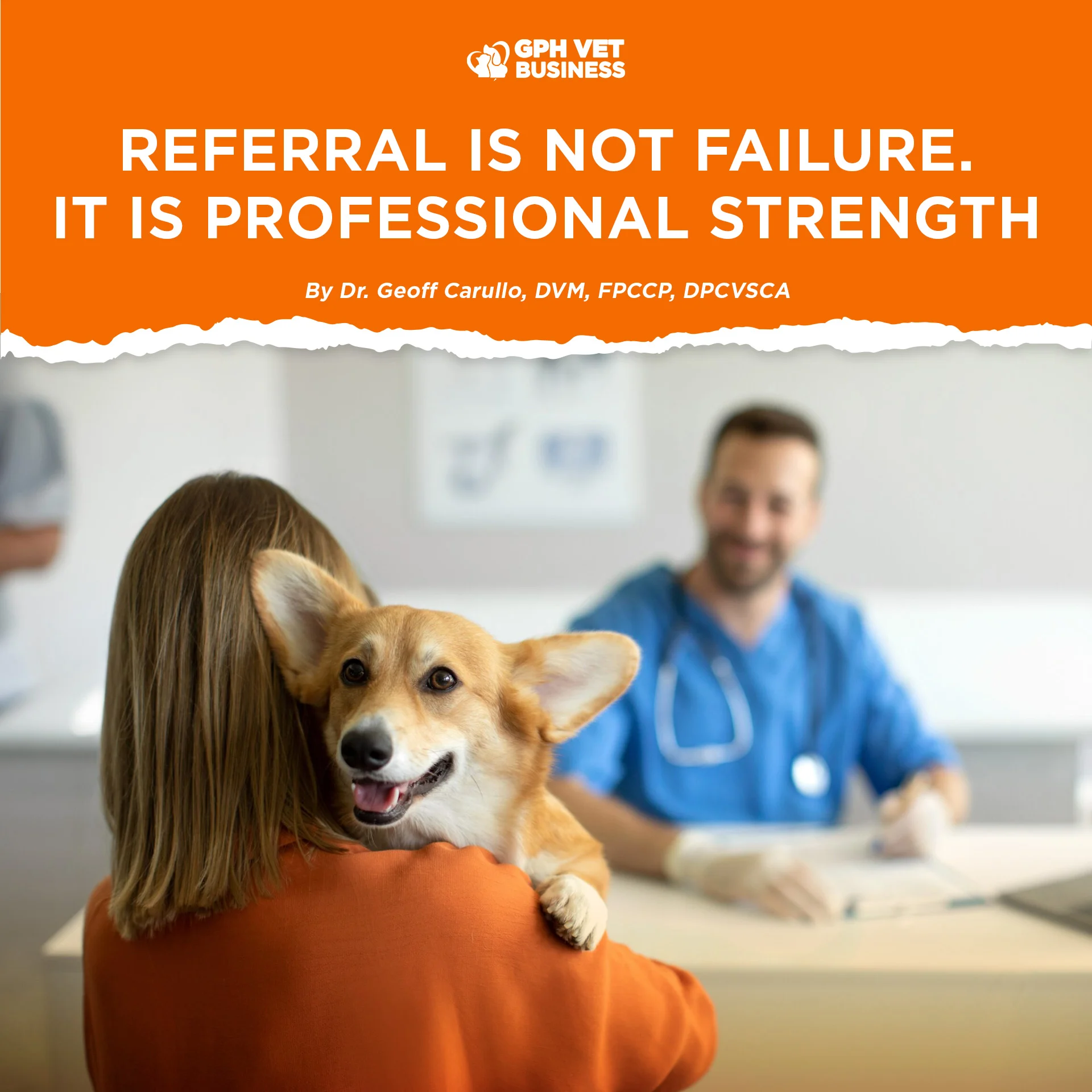
One of the most uncomfortable moments in veterinary practice happens during referral cases. A patient arrives from another clinic, and instead of focusing on the pet, the consultation shifts into criticism of the previous veterinarian. Clients come in frustrated, emotional, sometimes angry. The easiest response is to nod along or silently accept the idea that the previous vet “failed.”
But here’s the truth: referral is not incompetence. Referral is professionalism.
When a veterinarian refers a case, it means they cared enough to recognize the limits of their equipment, training, time, or facilities. It means they chose the patient’s welfare over personal pride. That is not weakness—it is integrity.
The veterinarian who keeps every case out of ego is far more dangerous than the one who refers when needed.
Real medicine is not about proving you can do everything. It is about ensuring the patient receives the best possible care, even if that care happens somewhere else.
A referral is actually a green flag. It shows the referring veterinarian wants the patient to have access to advanced diagnostics, specialized procedures, or more intensive monitoring. It acknowledges that veterinary medicine today is too wide and too complex for any single practitioner to master completely.
Good veterinarians refer. Responsible veterinarians refer. Ethical veterinarians refer.
We must stop allowing referral cases to become silent tribunals against our colleagues. The client may complain, but we do not have to participate. Professional courtesy means recognizing that every case has a story we were not there to witness. Every clinical decision was made with the information available at that time.
Instead of criticizing the referring veterinarian, we should reinforce trust in the profession. We can tell clients:
“Your veterinarian referred you because they wanted the best for your pet.”
That single sentence protects professional dignity and strengthens public confidence in veterinary medicine.
I refer cases too—not because I cannot manage them, but because sometimes another clinic has better tools, deeper specialization, or more appropriate facilities for a particular situation. The goal is never ownership of the case. The goal is the outcome for the patient.
The strongest veterinarians are not those who handle everything alone. The strongest veterinarians are those who know when collaboration serves the patient better.
Referral is not a sign of failure. Referral is a sign that veterinary medicine is working the way it should.
Dr. Geoff Carullo is a Fellow and the current President of the Philippine College of Canine Practitioners.
Sharing this helps others understand what it really means to be a vet. If you found this valuable, like and follow for more insights.