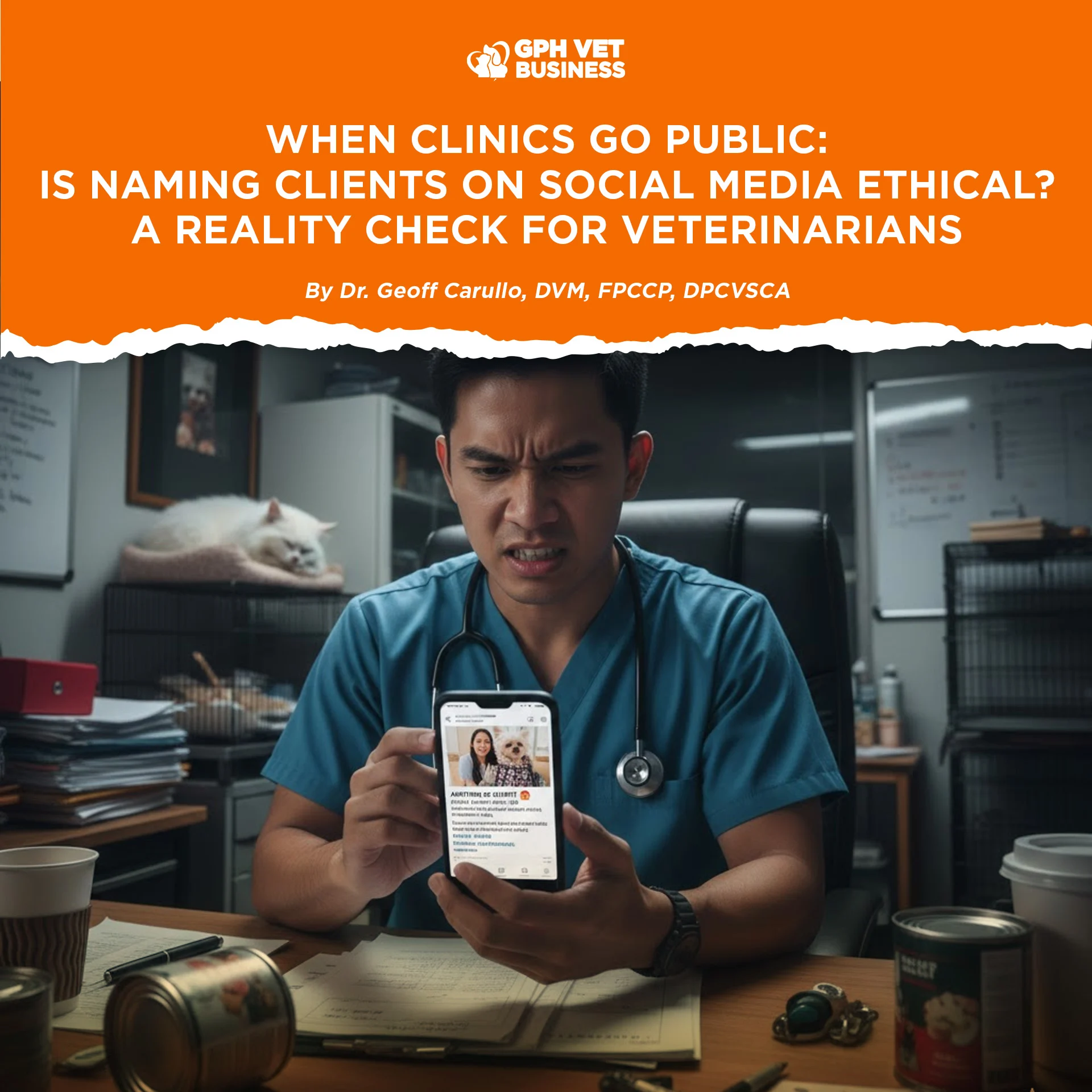
In recent years, social media has become a powerful tool for veterinary clinics. It helps educate pet owners, promote responsible care, and even advocate for animal welfare. But with that power comes responsibility.
A growing and uncomfortable question is emerging in veterinary circles:
Is it ethical for a veterinary clinic to publicly post the name, photo, and personal details of a client who failed to pay or allegedly abandoned a pet?
The short answer is no.
The longer answer is more nuanced and worth discussing.
The Emotional Context: Why Clinics Feel Pushed to Do This
Let us be honest.
Veterinary clinics are not just medical facilities. They are small businesses with:
- Staff salaries
- Medicines and supplies
- Utilities and rent
- Doctors who work long hours, often on emergencies
When a client disappears after an emergency surgery, leaves unpaid bills, and abandons an animal, the frustration is real. The financial loss is real. The emotional toll on staff is real.
But ethical practice is not defined by emotion. It is defined by restraint.
Client Confidentiality Does Not Disappear When Payment Fails
One of the cornerstones of veterinary professionalism is client confidentiality.
Even if:
- The client did not pay
- The client stopped responding
- The clinic feels morally justified
Publicly posting:
- A client’s full name
- Their address
- Their photo
- Details of the medical case
- Speculative comments about their character or motives
is a breach of professional ethics.
Debt and abandonment are legal and administrative issues, not social media matters.
The Most Dangerous Part: Public Speculation
The most ethically problematic aspect of these posts is not the unpaid bill. It is the speculation.
Statements that suggest a client has “questionable motives,” multiple accounts, or malicious intent cross a critical line. These are opinions, not clinical facts. Once posted publicly, they expose the clinic to:
- Defamation claims
- Privacy violations
- Professional complaints
- Loss of public trust
Even if the clinic believes the statements are true, truth is not a defense to unethical disclosure.
What About the Animal?
This is where clinics are right to speak up, but carefully.
It is ethical to:
- State that an animal was left under clinic care
- Explain that attempts to contact the owner failed
- Follow abandonment protocols
- Coordinate adoption in line with local regulations
It is not ethical to:
- Turn the owner into the story
- Use the pet’s situation as justification for public shaming
The ethical focus should always return to one thing: the welfare of the animal, not the punishment of the owner.
The Silent Risk Most Clinics Miss
Posts like these create fear, not trust.
Pet owners may quietly think:
“What if I fall short during an emergency?”
“What if I need time to arrange payment?”
“Will my name end up online?”
A clinic may feel vindicated in the moment, but it risks long-term damage to its reputation and to the profession as a whole.
Veterinary medicine survives on trust. Public shaming erodes it.
Ethical Alternatives That Protect the Clinic
Clinics are not powerless. Ethical options include:
- Clear written financial and abandonment policies
- Deposits for emergency procedures
- Barangay mediation
- Demand letters
- Small claims court
- Coordination with LGUs or animal welfare offices
- Anonymous policy reminders on social media, without names or photos
These approaches protect the clinic without compromising professionalism.
The Bottom Line
Being wronged does not give professionals permission to abandon ethics.
Veterinarians are held to a higher standard because society trusts us with lives, emotions, and difficult decisions. That trust must remain intact, even when clients fail us.
Ethics is not tested when things are easy.
It is tested when we feel justified, angry, and exhausted.
And in those moments, restraint is what defines true professionalism.
Sharing this helps others understand what it really means to be a vet. Like and follow if you’re with us.