There are many rescuers whose hearts are pure.
They wake up early, bottle-feed kittens, rescue dogs from the street, pay out of pocket, and fight for animals no one else notices. These people deserve respect.
But there is another side of rescue culture that we don’t talk about enough:
When rescuing becomes an identity, not a mission.
When a person starts believing they are the only one who truly loves animals…
And everyone else, especially veterinarians, becomes the enemy.
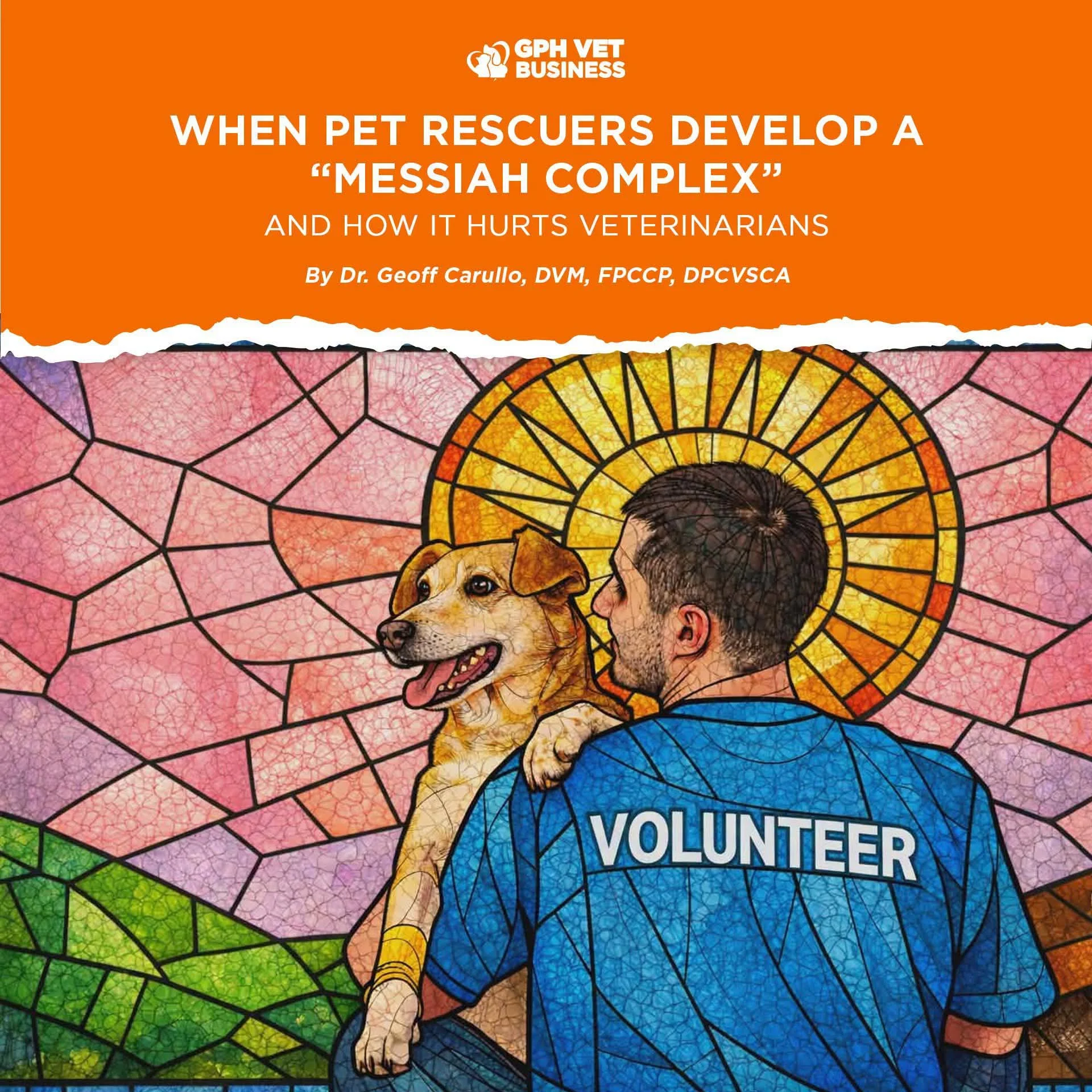
That is the “messiah complex” in animal rescue.
And yes — it quietly harms the veterinary profession, and sometimes the very animals we all want to help.
-
When saving animals becomes a stage instead of a service
A healthy rescuer thinks:
“How can I help this animal responsibly, sustainably, and ethically?”
A rescuer with a messiah complex thinks:
“I am the hero here. If people don’t help me, they are the problem.”
1.1 Common warning signs
You may see signs like:
- dramatic posts calling out vets publicly
- shaming clinics that discuss costs
- insisting they “know better” than trained professionals
- refusing diagnostics but blaming the vet when things go wrong
- pushing emergency work without appointments, payment, or consent
The animals become props in a story of sacrifice and martyrdom.
And the vet becomes the villain whenever reality does not match the rescuer’s expectations.
-
The emotional burden shifted to veterinarians
Veterinarians are already dealing with:
- life-and-death cases
- grieving owners
- financial stress inside clinics
- burnout and compassion fatigue
Then add:
“Doc, if you really love animals, this should be free.”
“If the pet dies, I will post everything online.”
“I am a rescuer — you owe me.”
This is not advocacy.
This is emotional manipulation.
2.1 The consequences for vets
Veterinarians end up:
- carrying guilt for decisions they didn’t make
- absorbing blame when care is refused
- feeling pressured to discount or work for free
- being attacked publicly for maintaining medical standards
Compassion is expected.
But boundaries are not respected.
And when vets burn out, everyone loses — including animals.
-
Rescue without structure creates more suffering
Collecting more and more animals without resources is not rescue.
It can become:
- overcrowding
- disease outbreaks
- malnutrition
- delayed treatment
- poor hygiene
- preventable deaths
Then, when animals become sick:
The vet is blamed again.
3.1 What true rescue actually requires
True rescue requires:
- planning
- budgeting
- partnerships
- transparency
- humane limits
- accountability
“Love” is not enough.
Systems save lives. Ego does not.
-
Vets are not the enemy — they are partners
Veterinarians are trained to:
- prevent disease
- manage outbreaks
- minimize suffering
- ensure ethical care
- protect public health
When a rescuer refuses advice, argues about science, or attacks professionals online, it creates distrust and divides the very people who should be working together.
4.1 What good rescuers understand
Good rescuers understand:
“I cannot do this alone. I need veterinarians, and veterinarians need honest, realistic partners.”
The best rescue relationships are collaborative, respectful, and built on truth — not guilt and hero worship.
-
What healthy rescue looks like
A responsible rescuer:
- asks questions, not demands
- respects clinic policies
- explains limits honestly
- fundraises before committing cases
- follows treatment plans
- accepts that medicine has risks and outcomes we cannot control
And when something goes wrong, they ask:
“What can we learn? How do we prevent this next time?”
Not:
“Who can I blame publicly?”
Final Thoughts
Rescue work is beautiful when it is grounded in humility.
Veterinarians are not obstacles to saving animals.
We are allies — trained, accountable, and carrying our own emotional burdens, too.
If you truly care about animals:
Help us work together.
Because the goal should never be to look like a savior.
The goal is simply to make sure animals are cared for — ethically, safely, and sustainably.
Sharing this helps others understand what it really means to be a vet.
Like and follow if you’re with us.